Analyzing Roulette Approaches: Timeless Methods Meet Contemporary Player Needs in June 2026
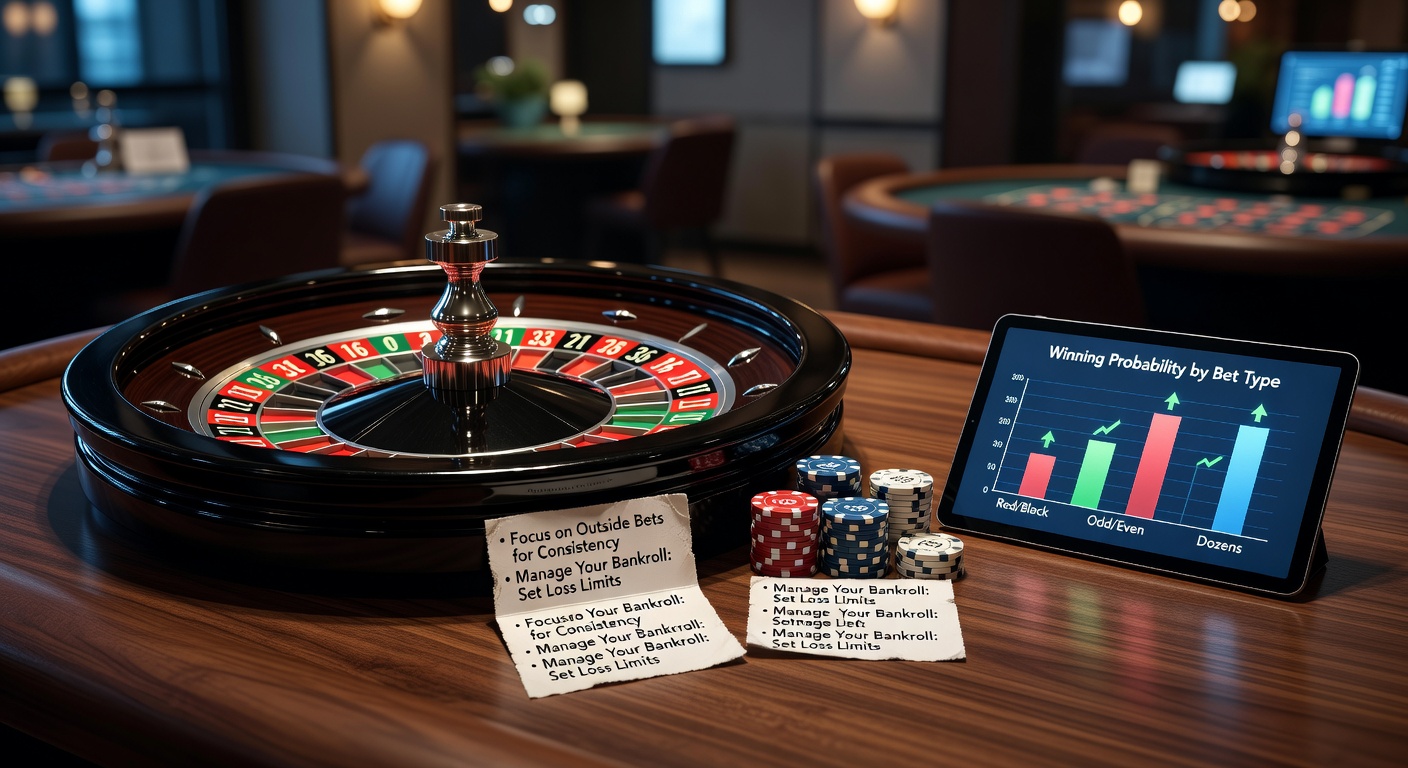
Players across various markets continue to explore roulette strategies that combine probability calculations with disciplined bankroll handling, and June 2026 brings fresh data sets from international gaming regulators that highlight participation trends without altering the core mathematics of the game. European roulette wheels maintain a house edge of 2.7 percent while American versions sit at 5.26 percent, figures that remain consistent regardless of betting systems applied. Observers note that many participants focus first on wheel selection before considering any progression method, since the single zero on European layouts reduces the operator advantage compared with double-zero configurations.
Core Probability Foundations
Each spin operates independently, which means prior outcomes hold no influence over future results, a principle documented repeatedly in probability research. Data from multiple jurisdictions shows that outside bets such as red or black deliver near 48.6 percent success rates on European wheels, yet the zero pocket ensures the long-term edge persists. Those studying the game often begin with flat betting patterns that keep wager sizes constant, allowing extended play sessions while preserving capital for longer sequences.
Common Progression Systems in Use
The Martingale approach doubles stakes after each loss with the aim of recovering all prior amounts plus one unit on the next win, yet it requires substantial reserves and faces table limits that can interrupt sequences. Fibonacci sequences follow a numerical series where each number equals the sum of the two preceding ones, adjusting bets upward after losses and downward after wins. D'Alembert systems increase or decrease stakes by single units based on outcomes, offering a slower progression that appeals to players managing moderate bankrolls. Labouchere setups involve writing down number sequences and crossing them off upon wins, with remaining figures determining the next stake size.
Bankroll Management Practices
Effective allocation begins with setting aside a dedicated session amount that participants can afford to lose entirely. Research indicates that dividing total funds into smaller units per spin or round helps sustain longer engagement without rapid depletion. Many follow a 1-2 percent rule per wager relative to the overall session budget, which statistical models suggest extends playing time across dozens of spins. Time limits also feature in player routines, with some capping sessions at 60 or 90 minutes to maintain focus and prevent fatigue-driven decisions.
Wheel Type Selection and Table Conditions
European and French variants include the "en prison" or "la partage" rules that return half the stake on even-money bets when zero appears, lowering the effective house edge further to 1.35 percent in certain cases. American wheels lack these features, which is why experienced participants scan tables for single-zero options when available. June 2026 reports from regional gaming authorities outside the UK note increased availability of French-rule tables in select online and land-based venues, reflecting operator responses to player preferences for reduced edges.

Live dealer streams and random number generator platforms both adhere to certified randomness standards verified through independent testing laboratories. Participants often verify current table minimums and maximums before committing, since these boundaries directly affect the viability of any progression system. Software providers publish return-to-player percentages that align with theoretical calculations, offering transparency that regulatory bodies require across licensed markets.
Practical Tips Observed Among Regular Players
Setting win targets alongside loss limits creates natural stopping points that protect gains and contain downturns. Some track results on paper or apps to monitor adherence to chosen systems, though such records do not predict future spins. Avoiding bets on single numbers or complex combinations reduces variance exposure compared with even-money wagers, a pattern noted in session data across multiple studies. Those combining strategies with strict session budgets tend to report more controlled experiences, according to aggregated findings from international gambling research centers.
Regulatory Context and Responsible Play Resources
Authorities such as the Nevada Gaming Control Board publish annual summaries that include roulette-specific volume and payout data, while the Australian Gambling Research Centre releases periodic analyses of player behavior across digital platforms. These sources provide context on how different markets approach game oversight and harm minimization without endorsing any particular betting method. Players seeking additional structure sometimes consult materials from the National Council on Problem Gambling for self-assessment tools and support options that operate independently of any strategy discussion.
Conclusion
Roulette remains governed by fixed probabilities that no system can overcome over extended play, yet structured approaches to bankroll control and wheel selection continue to shape how participants engage with the game. Data collected through June 2026 reinforces the importance of understanding house edges and table rules before applying any progression technique. Observers note that combining factual knowledge of the mathematics with predefined limits supports more measured sessions across both physical and digital environments.