Betting on the Wheel: Systematic Approaches to Roulette in 2026
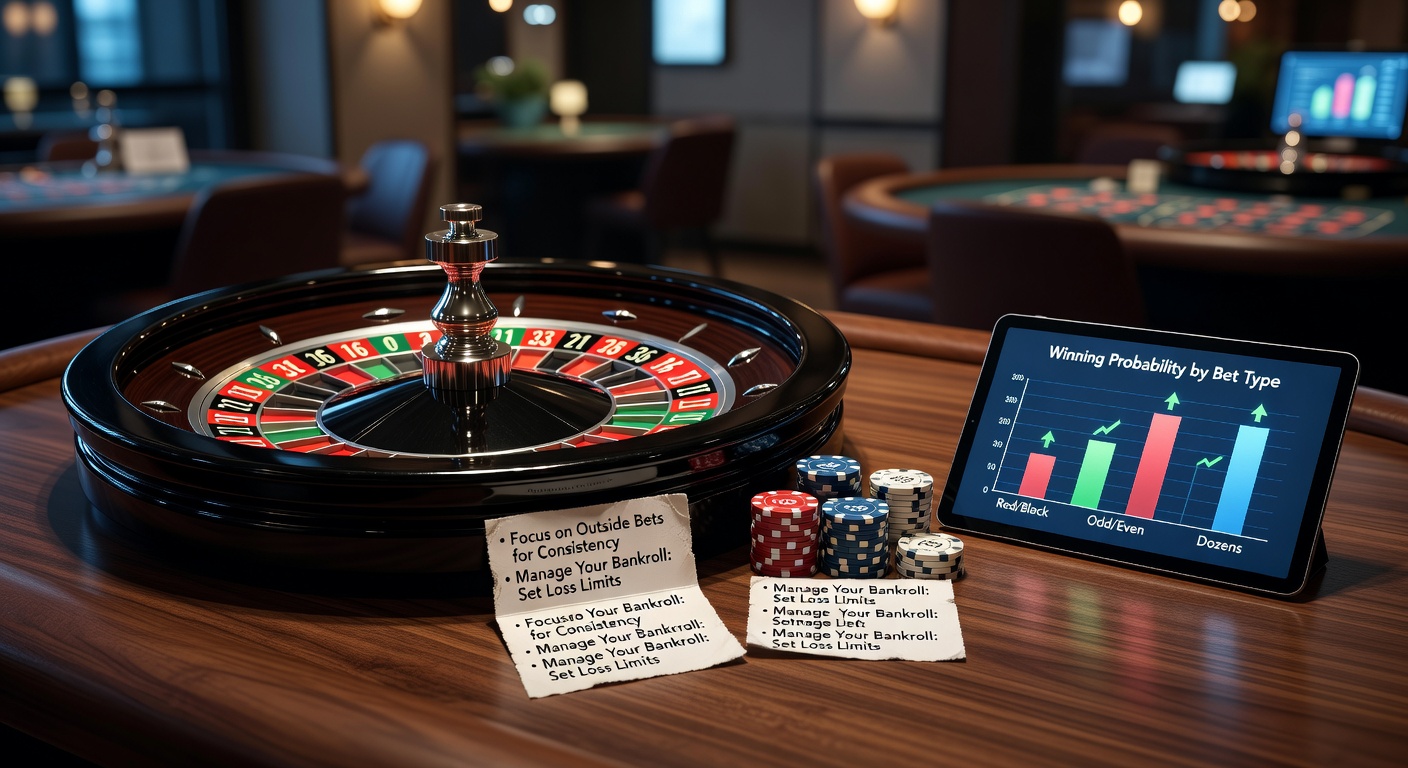
Players continue to examine roulette systems as online platforms expand options throughout June 2026, and established betting patterns receive renewed attention from those tracking long-term outcomes across different table formats. The core structure of roulette remains unchanged with its fixed house edge on every spin, yet participants still apply structured wagering sequences to manage their sessions.
Foundational Elements of Roulette Play
European and American variants present distinct probability profiles because the American wheel includes an extra double-zero pocket that shifts overall return percentages. Observers note that this difference influences how certain sequences perform over extended periods, and data from regulatory reports in various jurisdictions confirm consistent mathematical expectations regardless of the system applied. Those who study historical results often separate inside bets from outside bets when testing progression methods, since payout ratios and coverage rates determine how quickly a sequence escalates or contracts.
Progression-Based Wagering Sequences
The Martingale approach doubles the stake after each loss on even-money positions, which resets to the original amount following a win, yet table maximums frequently interrupt the cycle before recovery occurs. Researchers tracking simulated sessions report that short bursts may produce small gains while longer runs encounter limits that prevent full reversal. The Fibonacci sequence follows a different numerical pattern where each bet equals the sum of the two preceding numbers, advancing after losses and retreating after wins, and participants apply it across both European and American layouts with varying session lengths.
Another sequence known as D'Alembert increases or decreases the wager by one unit after losses or wins respectively, creating a gentler progression that some players combine with strict stop-loss thresholds. Data from multiple studies indicate that these methods alter the distribution of results without changing the underlying house advantage, which remains fixed by wheel design and payout structure.
Non-Progressive and Combination Methods
Flat betting maintains a constant stake size regardless of previous outcomes, which reduces exposure during extended losing streaks and allows longer play within a predetermined bankroll. The James Bond system allocates fixed amounts across specific number groups to cover large portions of the layout in a single spin, while the Labouchere method uses a list of numbers that players cross off or add depending on win or loss results. Each approach carries documented characteristics that researchers have examined through repeated trials, and figures from industry sources show that outcome variance stays governed by wheel probabilities rather than the chosen sequence.

Bankroll allocation receives consistent emphasis in guidance materials because session duration depends on how much capital remains available after successive bets. Those who track their activity often set predetermined limits on total wagers and time spent at the table, and reports from the Nevada Gaming Control Board illustrate how these boundaries affect overall expenditure patterns across thousands of recorded sessions.
Table Selection and External Factors
Wheel bias and dealer signatures appear rarely in modern equipment because manufacturers incorporate balancing mechanisms and automated shufflers, yet some players still record spin results in search of deviations. Single-zero tables generally present lower house edges than double-zero versions, and data compiled by academic groups such as those affiliated with the Responsible Gambling Council confirm that this structural difference influences long-term return percentages across large sample sizes. Software providers continue to release updated interfaces in June 2026 that include detailed statistics panels, allowing participants to review recent spin histories before placing bets.
Conclusion
Documented roulette systems offer structured ways to organize wagers, yet every sequence operates within the fixed mathematical framework of the wheel itself. Participants who combine progression methods with clear spending limits and table selection criteria maintain greater control over session length and total exposure, and ongoing industry data collection in 2026 continues to map how these patterns distribute across different player populations and platform types.