Roulette Strategies Examined: Mathematical Foundations and Practical Player Approaches
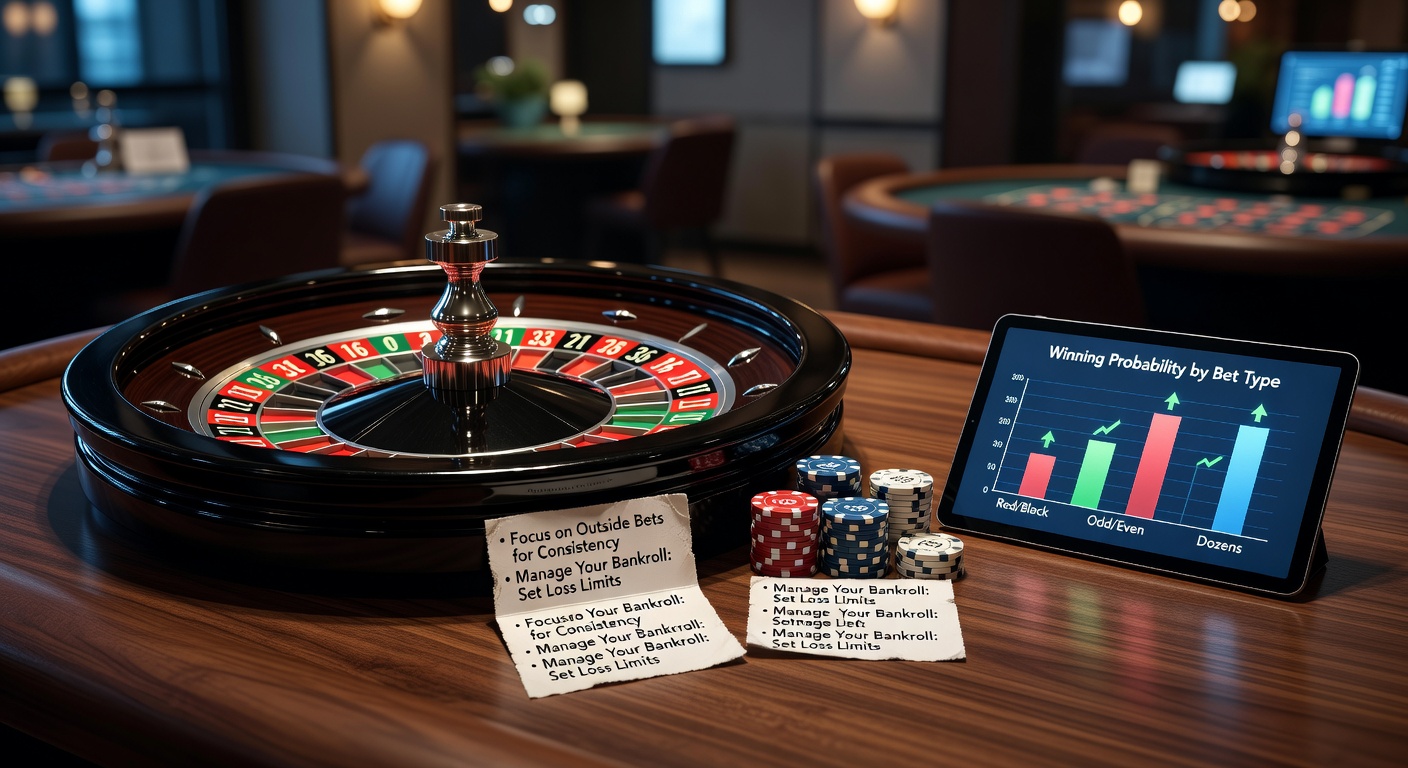
Roulette operates on a wheel divided into numbered pockets where a ball lands after spins, and players place bets on single numbers, groups of numbers, or colors before each round begins, with European versions featuring 37 pockets including a single zero while American wheels include both a zero and double zero for 38 total pockets. Observers note that the house maintains an edge of 2.7 percent on European wheels compared to 5.26 percent on American ones, and this difference arises directly from the extra zero which increases the casino's statistical advantage over repeated plays.
Those who study the game point out that no betting pattern alters the underlying probabilities on any given spin since each outcome remains independent, yet many documented systems attempt to manage bankrolls or sequence bets in response to prior results. Research from sources such as University of Nevada Las Vegas gaming studies confirms the fixed odds while highlighting how players apply various progressions in live and online settings throughout 2026.
Bankroll Management as a Starting Point
Effective play begins with setting a strict budget before any session starts, and players divide their total funds into smaller units that correspond to individual bet sizes, often limiting each wager to one or two percent of the overall bankroll. This approach allows extended participation without rapid depletion, and data from multiple casino reports shows participants who follow preset limits tend to play more spins on average than those who adjust amounts spontaneously. Tables frequently display minimum and maximum bet amounts that guide how much room exists for progression systems, and understanding these limits helps avoid situations where a required next bet exceeds the table cap.
Common Progression Systems in Use
The Martingale method requires doubling the stake after every loss on even-money bets such as red or black, with the theory that a single win recovers all prior losses plus one unit of profit, though this sequence demands substantial reserves and faces hard stops at table maximums. Fibonacci betting follows the sequence where each number equals the sum of the two preceding ones, advancing one step after a loss and retreating two steps after a win, which creates a slower escalation than straight doubling yet still carries the same risk of extended losing streaks. Labouchere involves writing a list of numbers that represent betting units, adding the first and last figures for each wager, then crossing them off on wins while appending the lost amount on the end after defeats, and this cancellation process continues until the list clears or funds run out.
Reverse systems like Paroli double bets only after wins on even-money propositions, capping the progression at three or four steps before resetting to the base amount, and this structure aims to capitalize on short winning runs while protecting accumulated gains. Observers have tracked these methods across thousands of spins in both physical and digital environments, and results consistently demonstrate that while short-term clusters may produce temporary gains, the house edge ensures negative expectation over large sample sizes.
Wheel Selection and Bet Type Considerations
European and French wheels offer better odds due to the single zero, and some variants include rules such as en prison or la partage that return half the stake on even-money bets when zero appears, effectively lowering the edge to 1.35 percent on those wagers. Inside bets on individual numbers pay 35 to 1 yet carry the lowest probability at roughly 2.7 percent on a European wheel, whereas outside bets on red, black, odd, even, high, or low provide nearly 50 percent chances but only even-money payouts. Column and dozen bets occupy the middle ground with 2 to 1 returns and probabilities around 32.4 percent, giving players multiple ways to structure combinations that cover more of the layout without increasing total exposure beyond their chosen unit size.

Developments Observed in Mid-2026
By June 2026 several online platforms introduced adjustable speed settings that let players control how quickly spins resolve, and these options allow more deliberate decision making between rounds when using progression sequences. Live dealer streams continue to incorporate transparent random number generator audits published by independent testing firms, and players can review certification dates directly on operator sites to confirm ongoing compliance. Regulatory updates in multiple jurisdictions now require clearer display of house edge percentages alongside game rules, which gives participants immediate access to comparative data before they select a table or wheel type.
Practical Tips Grounded in Observed Patterns
Players benefit from tracking session duration rather than focusing solely on win or loss totals, and many set time limits of 45 to 60 minutes to maintain focus during extended play. Recording each bet outcome in a simple log reveals whether chosen sequences align with actual results, and this record keeping helps identify when adjustments to unit size or bet selection become necessary. Avoiding side bets such as neighbors or final bets reduces overall exposure since these carry higher edges than standard layout options, and sticking to core inside and outside positions keeps the mathematical disadvantage as low as possible for the chosen wheel.
Conclusion
Roulette remains governed by fixed probabilities that no strategy can override across sufficient trials, yet structured approaches to bet sizing and wheel selection provide frameworks that participants apply consistently in both 2026 land-based and digital environments. Those who examine session data and adhere to predetermined limits position themselves to extend playtime while understanding the statistical boundaries inherent in every spin.