Inside the Roulette Arena: Established Systems, Statistical Realities, and Session Advice for June 2026
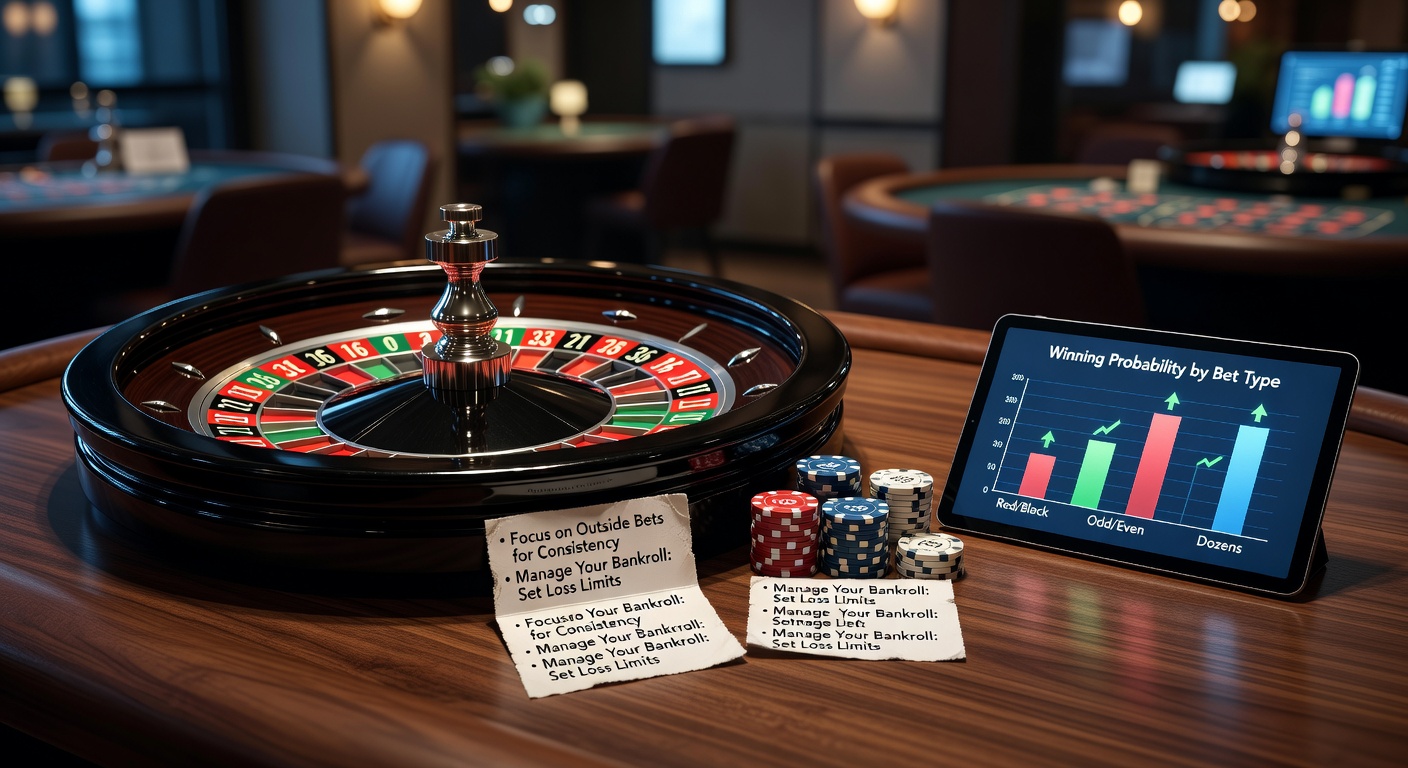
Players continue to examine roulette systems that structure bets around previous outcomes, even though each spin remains independent according to the game's core mechanics. Data from regulatory reports shows the house edge stays fixed at 2.7 percent on European wheels and 5.26 percent on American versions, figures that hold steady regardless of betting patterns. Observers note that systems like Martingale, which doubles stakes after losses, attract attention because they promise recovery on the next win, yet they require substantial capital to withstand extended losing streaks.
Core Betting Approaches and Their Mechanics
Researchers have documented several popular progressions that players apply during sessions. The Martingale method escalates bets on even-money outcomes until a win occurs, at which point the sequence resets, while the Fibonacci sequence follows a numerical pattern where each bet equals the sum of the two preceding ones. D'Alembert adjusts stakes by one unit after wins or losses, creating a gentler progression that appeals to those managing smaller bankrolls. Studies indicate these approaches do not alter the underlying probabilities, since the wheel lacks memory, but they provide frameworks that some participants find useful for organizing play.
Labouchere and Paroli represent additional options that receive attention in player discussions. Labouchere splits a target profit into a series of numbers and removes those numbers upon wins, whereas Paroli doubles bets after successes to capitalize on streaks. Figures from industry analyses reveal that players who combine these methods with strict stop-loss limits often extend their sessions compared to those without such boundaries. Yet the mathematical expectation remains negative over time due to the house edge.
Bankroll Management and Session Planning
Effective bankroll allocation emerges as a recurring theme in guidance materials from gaming authorities. Participants typically set aside a dedicated amount for each session and divide it into smaller units that match table minimums. Data indicates that sessions lasting under two hours correlate with lower average losses in some tracked samples, although individual results vary widely. Those who track wins and losses in real time can adjust bet sizes before funds dwindle, a practice supported by reports from multiple jurisdictions.
Table selection also factors into preparation. European roulette wheels, which feature a single zero, offer better odds than their American counterparts with both single and double zeros. Players frequently scan for tables with favorable limits before committing funds, since higher maximum bets allow greater flexibility when employing progression systems. In June 2026, online platforms continue to report steady traffic for roulette variants, with operators noting increased interest in live dealer formats that replicate physical wheel dynamics.

Probability Considerations and Risk Factors
Statistical models confirm that the probability of any single number appearing stays constant at 1 in 37 on European wheels or 1 in 38 on American ones. Even-money bets carry roughly 48.65 percent odds on single-zero wheels after accounting for the zero. These percentages remain unchanged across thousands of spins, a fact emphasized in academic examinations of random number generation. Systems that rely on patterns therefore encounter the same long-term distribution of results.
External factors such as dealer signatures or wheel biases receive occasional mention in older literature, yet modern manufacturing standards and regulatory testing have reduced such anomalies in licensed venues. Reports from the Nevada Gaming Control Board document rigorous wheel inspections that minimize physical irregularities. Online random number generators undergo separate certification processes overseen by independent testing agencies, ensuring outcomes align with theoretical probabilities.
Practical Tips Drawn from Player Data
Analyses of session records suggest several consistent practices among participants who maintain longer play periods. Setting win and loss targets before starting helps define exit points, while avoiding bets on multiple numbers simultaneously keeps individual wager sizes manageable. Some players alternate between inside and outside bets to balance risk exposure during extended sessions. Figures from the Victorian Commission for Gambling and Liquor Regulation in Australia indicate that structured breaks between spins correlate with more deliberate decision-making in observed samples.
Tracking previous results on paper or digital apps provides visual feedback, although it does not influence future spins. Those who review their own data often identify personal tendencies, such as increasing bet sizes after wins, that can be adjusted. Industry studies emphasize that emotional responses during losing streaks frequently lead to larger wagers, a pattern that structured systems aim to counteract through predefined rules.
Conclusion
Roulette strategies supply organizational tools rather than guaranteed advantages, since the game's probabilities remain fixed across all sessions. Players who integrate bankroll limits, wheel selection, and consistent tracking practices align their approach with available statistical information. As June 2026 unfolds, continued examination of these methods alongside regulatory data offers participants clearer perspectives on how systems interact with the house edge.