Analyzing Roulette Methods: Established Strategies and Essential Advice for 2026
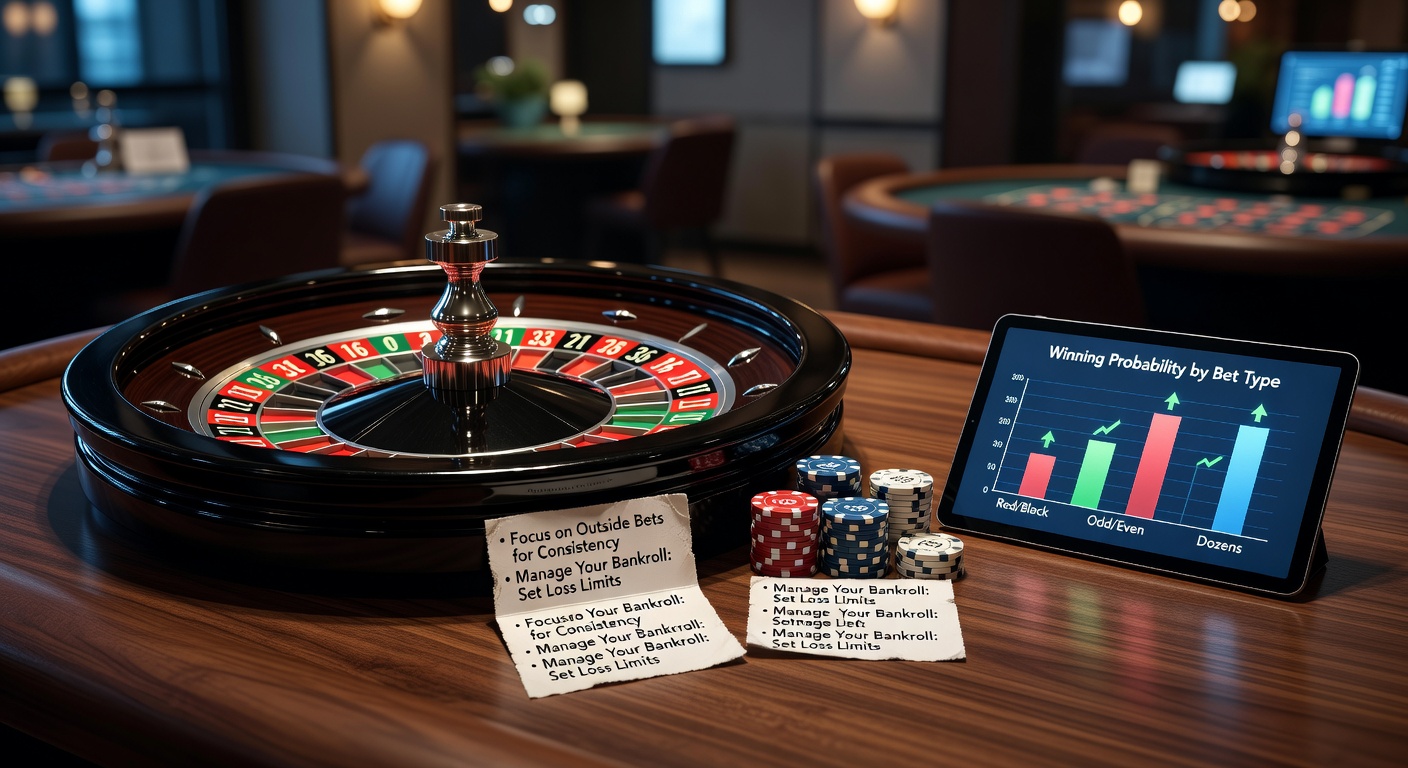
Roulette operates on a wheel divided into numbered pockets where players place bets on single numbers, groups of numbers, colors, or other combinations before each spin occurs, and the game maintains a consistent house edge that varies between European wheels with a single zero and American versions featuring both a zero and double zero. Observers note that players often examine different betting systems to structure their wagers, though data consistently shows these approaches do not alter the underlying probabilities built into the wheel itself.
Core Betting Systems in Practice
One widely discussed approach involves the Martingale system, where participants double their stake after each loss on even-money bets such as red or black, aiming to recover previous losses with a single win, while the Fibonacci sequence applies a different progression by increasing bets according to the numbers in that mathematical series after losses and decreasing them following wins. Researchers have tracked outcomes across thousands of spins at regulated venues, revealing that these progressions require substantial bankrolls to withstand extended losing streaks, and tables impose maximum betting limits that can interrupt the system before a recovery occurs.
Another method, the D'Alembert strategy, adjusts bets by one unit up after a loss and one unit down after a win, creating a slower progression compared with Martingale, and players who apply this often combine it with session time limits to manage exposure. Data from gaming reports indicates that flat betting, where wagers remain constant regardless of previous results, appears more sustainable for many participants because it avoids rapid escalation and preserves capital over longer periods.
Wheel Variations and Their Impact
European roulette wheels contain 37 pockets while American wheels hold 38, producing a house edge of approximately 2.7 percent on single-zero layouts versus 5.26 percent on double-zero versions, according to figures compiled by state regulatory bodies such as the Nevada Gaming Control Board. Those who study these differences frequently recommend European or French variants when available, since the lower edge directly affects expected returns across repeated plays, and some tables add rules like en prison or la partage on even-money bets that further reduce the house advantage under specific conditions.
June 2026 has seen increased availability of French roulette options at several international platforms, with operators highlighting these rule variations to attract players seeking marginally better odds, and industry analyses from the European Gaming and Betting Association confirm steady interest in wheels that incorporate these player-friendly mechanics.

Bankroll Management and Session Planning
Effective bankroll allocation begins with setting aside a dedicated amount for play that remains separate from other funds, and participants commonly divide this total into smaller session portions to avoid committing everything in a single sitting. Studies from academic sources including reports published through the University of Nevada, Reno gaming research program show that players who establish win goals and loss limits before starting tend to exit tables with more consistent results over time, although individual outcomes still depend on random spin sequences.
Many experienced participants track their results across multiple sessions using simple logs or apps, allowing them to identify patterns in their own behavior such as extended play after losses, and this self-monitoring supports decisions about when to pause or adjust stakes. Observers note that avoiding bets on single numbers in favor of outside wagers like dozens or columns provides more frequent smaller payouts, though the payout ratios remain fixed and do not change the overall house edge.
Practical Tips from Observed Play
Players often begin with minimum bets while familiarizing themselves with table dynamics and dealer tendencies, and this approach allows observation of wheel speed and ball behavior without significant risk during initial spins. Research indicates that taking regular breaks helps maintain focus, since prolonged sessions can lead to fatigue that affects decision-making on bet placement and amount.
Understanding the difference between inside and outside bets forms a foundational element for many, with inside bets offering higher payouts but lower hit rates while outside bets deliver steadier though smaller returns, and combining both types within a single strategy appears in various documented approaches. Those who review historical data from multiple jurisdictions find that no system overcomes the mathematical structure of the game, yet structured play can enhance enjoyment by providing clear guidelines for each decision.
Conclusion
Roulette strategies supply frameworks that organize betting decisions, yet long-term results align with the fixed probabilities of each wheel type, and participants who combine system knowledge with disciplined bankroll practices continue to engage with the game across different markets. Data from regulatory and academic sources underscores the importance of selecting favorable wheel variants and maintaining session boundaries, while ongoing developments in June 2026 reflect continued refinement of table offerings that incorporate established player protections and rule variations.