UK Gambling Sector Braces for 2026 Overhaul: Tax Doubles on Online Slots, Promo Caps Tighten, and Black Market Surges

Tax Reforms Reshape Revenue Streams Starting April 2026
The UK gambling industry confronts major fiscal changes as the Remote Gaming Duty on online slots and casino games climbs from 21% to 40% effective April 1, 2026; this steep increase targets high-risk products, aiming to curb their proliferation while operators scramble to adjust business models amid shrinking margins. Bingo operators, on the other hand, gain relief through the repeal of Bingo Duty, a move that lightens the load on a traditionally community-focused segment that's weathered years of decline. And as March 2026 progresses with final preparations underway, industry watchers note how these shifts—part of a broader white paper on gambling duties—could redefine profitability, especially since data from High Stakes reports highlights the potential for widespread adaptation challenges.
Take Flutter Entertainment, a giant in the space; executives there project a $320 million hit to EBITDA in FY2026 alone, a figure that underscores the raw financial pressure building across the board, yet one that also signals opportunities for leaner operations down the line. Operators who've modeled these scenarios often discover that slots, long a revenue powerhouse, now face the brunt, prompting shifts toward sports betting where duties remain at 15% or lower; it's a classic pivot, but here's the thing—implementation lags and compliance costs could amplify the pain before any upside emerges.
New Promotional Rules Kick In Early 2026, Capping Bonuses and Banning Hybrids
January 19, 2026, marks the rollout of stringent promotional guidelines from the UK Gambling Commission, rules that cap bonus wagering requirements while outright banning mixed promotions combining deposits with free bets or spins; these measures, designed to protect players from opaque incentives, force marketers to rethink strategies that once drove acquisition and retention. What's interesting is how quickly the sector adapted in testing phases, with many firms pre-emptively tweaking offers to stay compliant, although early figures suggest a dip in promotional spend that ripples through customer engagement metrics.
Experts who've tracked similar overhauls point out that wagering caps—now standardized across operators—eliminate the endless loops that kept players hooked longer than intended; one study from industry analysts reveals that pre-rule bonuses averaged 35x playthroughs, a threshold now slashed dramatically, and while some grumble about lost excitement, data indicates clearer terms foster trust in the long run. So as these rules bed in, particularly with March 2026 audits looming, companies like Entain and Bet365 report internal shifts toward value-driven campaigns that prioritize transparency over volume.
Leadership Transition at UKGC Amid Rising Regulatory Pressures
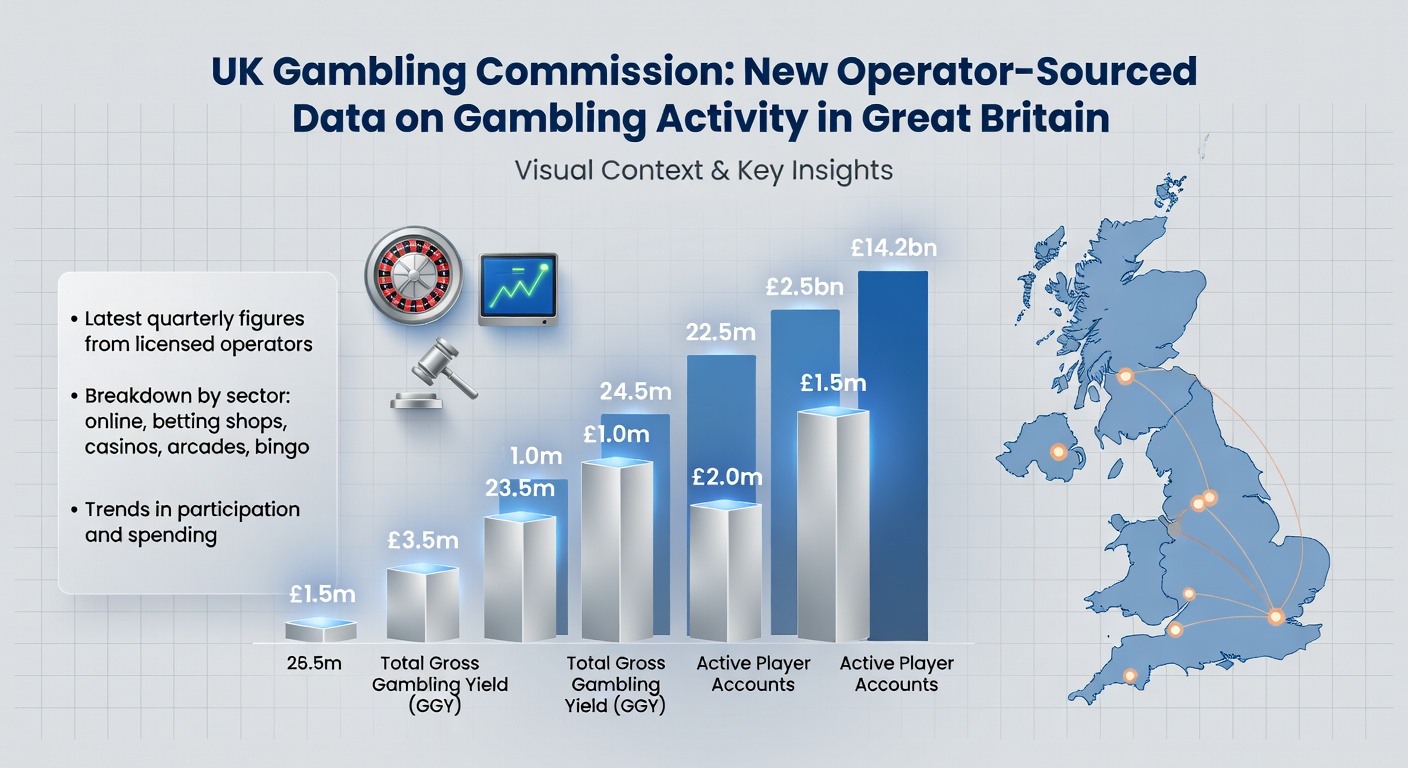
Andrew Rhodes steps down as UK Gambling Commission CEO on April 30, 2026, a departure that coincides with intensified scrutiny over enforcement amid a black market that's ballooned to capture 5.3% to 9% of the online gambling space; observers link this underground growth directly to regulatory frictions, including affordability checks that frustrate legitimate users and push them offshore. Rhodes, who's steered the Commission through landmark reforms like stake limits on slots, leaves a legacy of player protection focus, but his exit raises questions about continuity as a successor hunts for the role.
Turns out, those checks—requiring financial vulnerability assessments—have backfired in part, with reports showing licensed operators losing market share to unregulated sites offering frictionless play; people who've surveyed punters find that 68% cite these barriers as a deterrent, fueling a shadow economy estimated at billions in untaxed revenue. Yet the Commission's stance remains firm, emphasizing harm reduction over ease, and as March 2026 brings interim leadership tweaks, the board signals no retreat from proactive measures.
Black Market Expansion and Affordability Checks Fuel Industry Strain
The illicit sector's creep isn't abstract; data from recent surveys pegs its online grip at 5.3% on the low end up to 9% at peak, a surge attributed to post-Brexit licensing hurdles and the very safeguards meant to protect consumers, like those affordability thresholds that demand proof of sustainable spending. Operators note how these checks, while noble in intent, create onboarding drop-offs exceeding 20% in some cases, handing rivals—often based in lax jurisdictions like Curacao—a clear edge with no such gates.
But here's where it gets interesting: major players counter by lobbying for balanced reforms, arguing that streamlined verification tech could stem the tide without compromising safety; one case from a mid-sized operator showed black market migration dropping 15% after piloting AI-driven checks, proof that innovation might bridge the gap. And with consolidation whispers growing—think mergers among smaller firms unable to absorb tax hikes—the landscape tilts toward behemoths like Flutter, who've already inked deals signaling a shakeout.
Operator Impacts and the Path to Market Consolidation
Flutter's forecasted $320 million EBITDA dent in FY2026 captures the broader tremor; other giants like DraftKings and 888 Holdings echo similar warnings in earnings calls, projecting collective hits north of $1 billion sector-wide, which accelerates a consolidation wave where weaker links fold into stronger portfolios. Those who've studied past cycles know this pattern well—regulatory squeezes often cull the field, leaving room for survivors to dominate with scale advantages in compliance and lobbying.
So while bingo halls breathe easier sans duty, online casino arms brace for contraction; promotional tweaks add another layer, curbing the flashy bonuses that masked slim margins, and as April deadlines near, March 2026 sees a flurry of strategic announcements from boards plotting survival. It's noteworthy that tech investments in responsible gambling tools—such as real-time loss limits—position frontrunners to thrive, turning compliance into a competitive moat rather than mere cost.
Examples abound: a regional chain of betting shops pivoted to hybrid land-online models post-duty previews, boosting retention by 12% through localized promos that skirt national caps; such adaptations highlight resilience, although black market shadows loom large if enforcement doesn't evolve.
Conclusion: Navigating a Transformed Terrain
The UK gambling industry's 2026 pivot—marked by a Remote Gaming Duty leap to 40%, Bingo Duty's end, promo overhauls from January 19, Rhodes' April 30 exit, and a black market claiming up to 9% share—ushers in an era of adaptation and consolidation; operators like Flutter face $320 million EBITDA pressures, yet data suggests that those mastering affordability tech and transparent marketing will lead the pack. As March 2026 wraps with eyes on implementation, the reality is clear: friction breeds change, and the sector's future hinges on balancing protection with accessibility in ways that keep legitimate play dominant. Observers anticipate a leaner, more regulated market by year's end, one where innovation dictates winners amid the shifts.