Roulette Approaches in 2026: Examining Proven Methods and Practical Advice
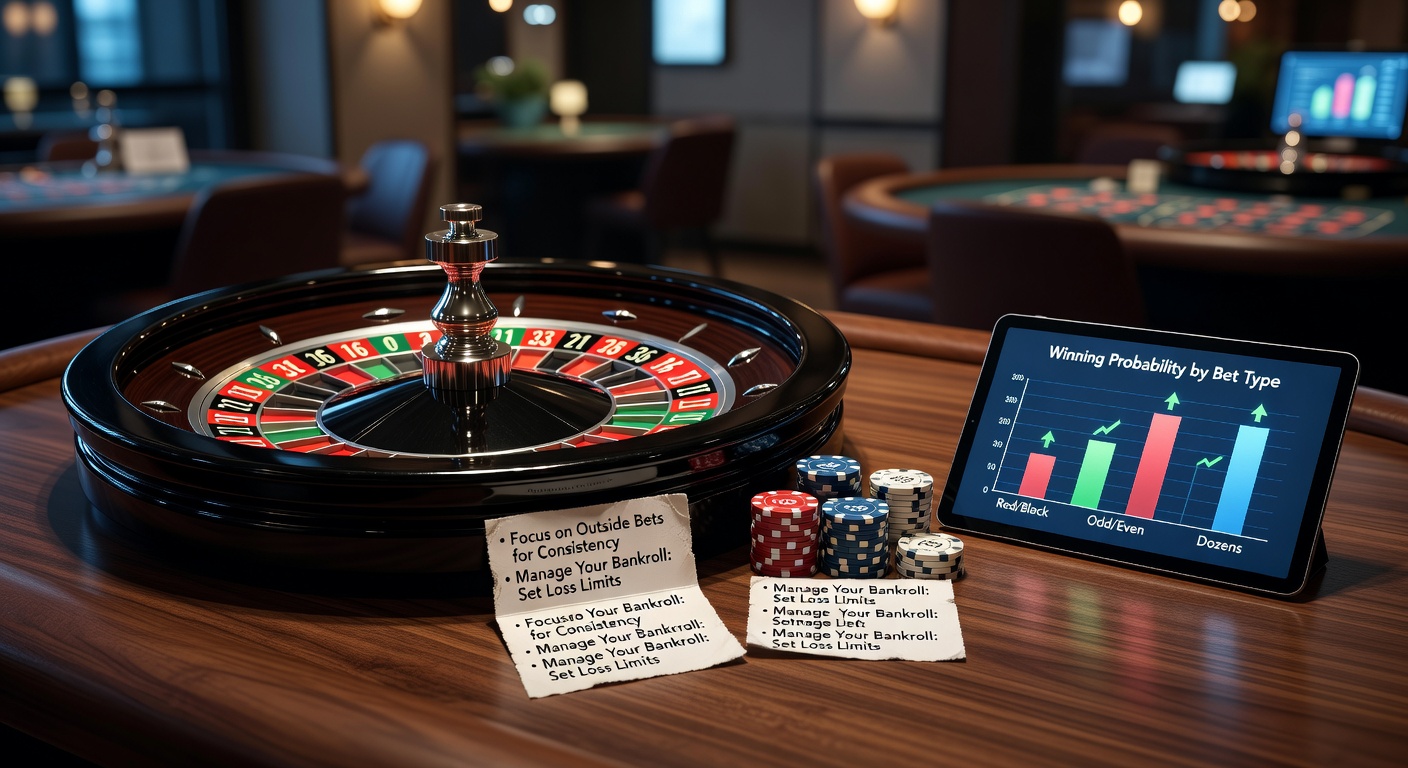
Players continue to examine roulette systems as the game maintains its position among casino offerings worldwide, and data from regulatory bodies shows consistent participation rates through mid-2026. Observers note that structured approaches attract attention because they organize betting patterns around mathematical sequences, although each spin remains an independent event governed by the wheel's physical or digital mechanics.
Core Mechanics and House Edge Calculations
The European wheel contains 37 pockets while the American version includes 38, which creates different probability structures that researchers have documented across multiple casino jurisdictions. Data indicates the house edge sits at 2.7 percent for single-zero wheels and rises to 5.26 percent on double-zero layouts, facts confirmed through probability analysis rather than any variable player action. Those who study long-term outcomes emphasize that no betting pattern alters these fixed percentages because each result stays independent of previous spins.
Yet understanding these baseline figures helps participants set realistic expectations before they place wagers. Researchers at academic institutions have modeled thousands of spins to illustrate how the zero pockets generate the casino's built-in advantage over extended sessions.
Established Betting Sequences and Their Structures
The Martingale method doubles the stake after every loss with the goal of recovering previous amounts plus one unit on the next win, while the Fibonacci sequence follows a numerical progression where each bet equals the sum of the two prior amounts. Observers have tracked these patterns in both land-based and digital environments, noting that they require progressively larger bankrolls to sustain during extended losing streaks. Data from industry reports reveals that players who apply these sequences often encounter table limits that interrupt the doubling process before a recovery occurs.
The D'Alembert system increases or decreases bets by one unit after losses or wins respectively, creating a slower progression that some participants prefer for its measured pace. Studies show this approach reduces the risk of rapid bankroll depletion compared with more aggressive progressions, although the underlying house edge remains unchanged. Another pattern, the Labouchere, involves writing down a sequence of numbers and betting the sum of the first and last digits, crossing them out after wins and adding after losses.

Analysts point out that each system organizes bets differently yet none overcomes the mathematical constants built into the wheel itself. Figures from the Nevada Gaming Control Board illustrate how even extended play sessions reflect these fixed probabilities across thousands of recorded outcomes.
Bankroll Allocation and Session Planning
Effective allocation begins with determining a fixed amount dedicated solely to roulette before any session starts, a practice that multiple studies link to more controlled play durations. Participants often divide their total funds into smaller units sized to withstand a series of losses while still allowing for the chosen betting pattern. Research indicates that setting win and loss thresholds in advance correlates with shorter average playing times, which in turn limits exposure to the house edge.
Those who review historical play data find that sessions extending beyond predetermined limits tend to produce larger net losses on average. June 2026 reports from gaming associations highlight increased use of digital tools that track session metrics in real time, allowing players to monitor their adherence to preset boundaries without manual calculations.
Wheel Selection and Game Variants in Current Markets
European and French variants continue to appear in both physical casinos and online platforms because their single-zero configuration lowers the house edge relative to American wheels. Players who examine game rules note that French layouts sometimes include the "en prison" or "la partage" options on even-money bets, which return half the stake when zero appears and further reduce the effective edge. Industry data shows these rule variations attract participants who prioritize statistical differences over theme or speed.
Live dealer formats have expanded in 2026, with streaming technology enabling real-time observation of wheel spins from remote locations. Reports from the American Gaming Association document rising engagement with these hybrid experiences, where physical wheels connect to digital interfaces without altering core probabilities.
Practical Considerations for Digital Platforms
Software providers implement certified random number generators that regulatory testing confirms produce outcomes matching physical wheel distributions. Participants reviewing platform certifications often check for independent audits from organizations such as eCOGRA or iTech Labs, which publish verification reports on their sites. Those who compare multiple operators find that withdrawal processing times and minimum bet thresholds vary, facts listed clearly in each site's terms rather than discovered through trial.
June 2026 updates to certain regional frameworks have introduced additional transparency requirements around game fairness documentation, giving players easier access to the same statistical summaries previously available only through operator requests.
Conclusion
Roulette strategies organize betting behavior around defined sequences and limits, yet available data consistently shows that long-term results align with the wheel's built-in house edge across all documented systems. Players who review probability studies and regulatory statistics gain clearer perspectives on how different wheel types and rule sets influence expected outcomes. Continued examination of these elements remains central to informed participation as platforms evolve through 2026 and beyond.