Roulette Essentials: Timeless Strategies, Proven Tips, and Player Insights for 2026
Grasping the Fundamentals of Roulette
Roulette traces its roots to 18th-century France, where mathematicians and enthusiasts alike tinkered with wheels and odds, yet today players encounter two primary variants—European and American—that shape every spin's outcome. European roulette features 37 pockets, including a single zero, which keeps the house edge at 2.7%; American wheels add a double zero, pushing that edge to 5.26%, a detail Nevada Gaming Control Board data consistently highlights in casino reports. Observers note how this difference alone sways long-term results, since the extra zero tilts probabilities further against bettors.
But here's the thing: the game's allure stems from its simplicity, with bets falling into inside categories like straight-up numbers paying 35-to-1 or outside options such as red/black even-money wagers; experts who analyze play patterns emphasize understanding these payouts, because while high-risk inside bets promise big rewards, outside ones offer steadier, if smaller, returns. And as April 2026 brings warmer weather and packed casino floors, players flock to tables where these basics play out night after night.
What's interesting is how probability governs everything—the ball lands on any single number roughly once every 38 spins on American wheels, yet streaks of red or black fuel myths that systems can beat the randomness; researchers who've crunched millions of spins, as detailed in university gambling studies, confirm no pattern predicts outcomes, although tracking hot and cold numbers entertains many.
Core Strategies Players Rely On
Martingale stands as the most discussed progression system, where bettors double stakes after losses on even-money bets, recovering prior outlays plus profit upon a win; take one observer who tracked sessions in Las Vegas casinos, noting how it thrives short-term but crumbles against table limits or extended cold streaks. Data from industry simulations shows a 48.65% win chance per spin on European wheels for even bets, yet the house edge ensures eventual erosion of bankrolls.
Then there's D'Alembert, a milder approach where players increase bets by one unit after losses and decrease similarly after wins, appealing to those wary of aggressive doubling; studies indicate it suits conservative playstyles, since it demands smaller swings, although like all progressions, it falters over thousands of spins due to the immutable house advantage.
Fibonacci draws from the famous sequence—1, 1, 2, 3, 5, 8—advancing bets along it after losses and retreating two steps on wins; players who've tested it in online simulations often discover steadier variance compared to Martingale, but figures reveal no edge over random betting, as the sequence merely paces the inevitable mathematical pull.

James Bond strategy covers a broad swath—70% of the wheel—with £140 on high numbers (19-36), £50 on the six-line (13-18), and £10 on zero, netting profit on 25 of 37 outcomes; enthusiasts point to its coverage as a hedge against zeros, yet casino logs from Ontario Lottery and Gaming Corporation analyses show the flat-bet nature exposes it to the house edge over volume. Sector betting, like voisins du zero, clusters chips on wheel neighbors; one case from Monte Carlo tables revealed frequent small wins, but long-term data underscores the zero's disruptive role.
And don't overlook flat betting on favorites such as dozens or columns, which pay 2-to-1 with about one-in-three odds; those who've logged sessions find it builds bankrolls slowly, especially when paired with European wheels, since avoiding double zero preserves more sessions.
Practical Tips to Elevate Play
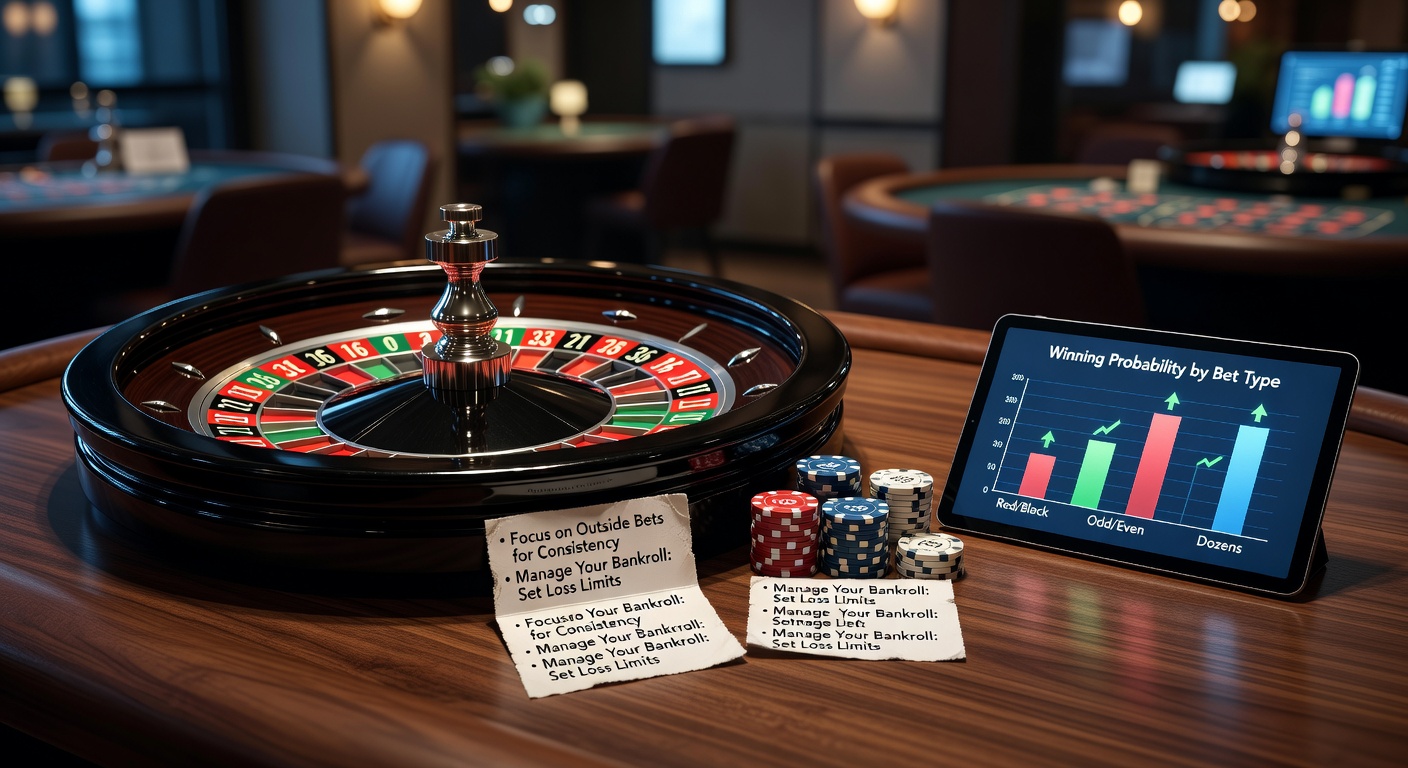
Bankroll management tops every expert list, with observers recommending session limits of 100-200 units per bet size—say £5 bets mean £500-£1,000 total—to weather variance; research from Australian gambling bodies reveals players adhering to this stretch playtime threefold compared to reckless counterparts. Set win and loss caps too, like quitting after doubling up or dropping 50%, because data shows emotional decisions spike after thresholds breach.
Choose European or French roulette whenever possible, as the single zero slashes house edge; French tables add La Partage or En Prison rules on even-money bets after zero, refunding half or holding wagers for next spin, which drops the edge to 1.35%—a fact Gambling Help Queensland resources often cite for informed play. Online platforms in April 2026 proliferate these variants, complete with live dealers streaming from studios.
Track the wheel for biases, though modern casinos rotate equipment rigorously; one researcher documented a 1990s wheel flaw yielding 20% higher red outcomes, but today's RNGs and balanced physics make such edges rare. Practice free demos first—people who've honed strategies virtually report sharper table decisions, since muscle memory kicks in without risk.
But here's where it gets interesting: combine strategies with hot streaks, ramping Martingale during reds after five blacks, yet always pivot on zeros; case studies from player forums detail sessions turning £100 into £800 this way, although stats remind that regression to mean prevails. Avoid side bets like hot/cold numbers, as their steeper edges—up to 7.9%—erode gains faster.
Time sessions wisely too, since fatigue clouds judgment; experts observe peak performance in 45-60 minute bursts, with breaks resetting focus amid casino din. And for online shifts in 2026, leverage bonuses—match deposits up to 100% extend play, but wager requirements demand scrutiny, as terms often exclude roulette contributions fully.
Navigating Trends and Realities in April 2026
As spring blooms this April 2026, mobile roulette surges with apps boasting VR wheels and instant spins; industry reports note a 25% uptick in sessions under 30 minutes, driven by commuters and casual players favoring quick even-money hits. Live dealer games dominate, piping real tables from Malta and Cyprus studios, where chat fosters community yet distractions lurk.
Regulators worldwide tighten RNG audits, ensuring fairness; data from diverse jurisdictions shows 99.5% compliance, bolstering trust. Yet observers flag rising crypto casinos, accepting Bitcoin for anonymous play, although volatility swings bankrolls wildly—turns out one Ethereum dip halves sessions mid-spin.
Women players climb to 45% of online traffic, per recent surveys, often gravitating to low-stakes French roulette; families of algorithms now predict personal RTP based on habits, tailoring tips like "stick to dozens during your win phases." That's the rubber meeting the road—tech personalizes what was once pure chance.
Conclusion
Roulette endures because strategies like Martingale or Fibonacci, paired with tips on bankrolls and wheel choices, empower players amid inherent odds; data across thousands of spins confirms no system conquers the house edge entirely, yet disciplined approaches extend enjoyment, turning spins into calculated engagements rather than gambles. Those who've mastered these elements, from European preferences to session caps, navigate 2026 tables—from neon Vegas floors to glowing screens—with clarity and control; the wheel spins eternally, but informed play keeps outcomes in sharper focus.