Roulette Mechanics in 2026: Examining Established Strategies and Player Approaches
Players have examined roulette for generations because the game combines simple mechanics with layered betting options, and data from regulatory bodies continues to track participation levels across multiple jurisdictions. European wheels feature 37 pockets including a single zero while American versions contain 38 with both single and double zeros, a distinction that directly affects payout ratios and long-term return percentages according to reports from the Nevada Gaming Control Board. Observers note that house edges sit at approximately 2.7 percent on European layouts and 5.26 percent on American ones, figures that remain constant regardless of betting patterns employed during sessions.
June 2026 brought updated industry summaries from several oversight agencies showing steady engagement with table games including roulette in both land-based and digital environments. Researchers tracking these patterns emphasize that outcomes on each spin stay independent because the wheel uses physical randomization or certified random number generators in electronic versions. This independence means prior results hold no predictive value for future spins, a point reinforced in multiple academic analyses of probability distribution in casino games.
Core Betting Approaches Observed in Practice
Betting systems represent structured sequences that some participants apply to manage wager sizing after wins or losses. The Martingale method doubles the stake following each loss with the goal of recovering all prior amounts plus one unit upon a win, yet this approach requires substantial reserves because extended losing streaks can exceed table limits or available funds. Data collected by the Australian Communications and Media Authority indicates that players using progressive systems often encounter these constraints during extended play periods.
The Fibonacci sequence offers another progression where each bet equals the sum of the two preceding ones, advancing after losses and retreating after wins. Those who've studied this pattern point out it spreads risk across more spins compared with steeper progressions but still cannot alter the underlying house edge. Flat betting, by contrast, maintains consistent wager amounts throughout a session and appears in reports from various gaming research centers as a method that aligns more closely with fixed bankroll planning.
Wheel Selection and Table Conditions
Participants frequently compare wheel types before committing funds because the single-zero configuration delivers measurably higher theoretical returns over large numbers of spins. Studies published through university-affiliated gaming laboratories confirm that this difference compounds when volume increases, which explains why many venues highlight European or French variants in promotional materials. French rules sometimes incorporate la partage or en prison on even-money bets, returning half the wager or holding it for the next spin when zero appears, adjustments that further reduce the effective house edge on those specific bets.

Table minimums and maximums also shape strategy viability because progressive systems depend on the ability to increase stakes without breaching caps. Industry summaries from Canadian provincial regulators show that digital platforms often display these limits clearly in game interfaces, allowing advance planning that land-based settings sometimes require players to verify on-site. Observers tracking June 2026 activity noted expanded mobile options that list both wheel type and limit ranges before login, reducing uncertainty during initial table selection.
Bankroll Allocation and Session Structure
Effective fund division receives consistent attention in player guidance materials because it determines how many spins a given amount can sustain. Recommendations commonly suggest dividing total reserves into smaller session portions with predefined stop points for both gains and losses, a practice that appears across multiple regulatory advisories. Evidence from academic reviews of gambling behavior indicates that predetermined exit criteria correlate with shorter average session lengths, though outcomes remain governed by chance rather than any control mechanism.
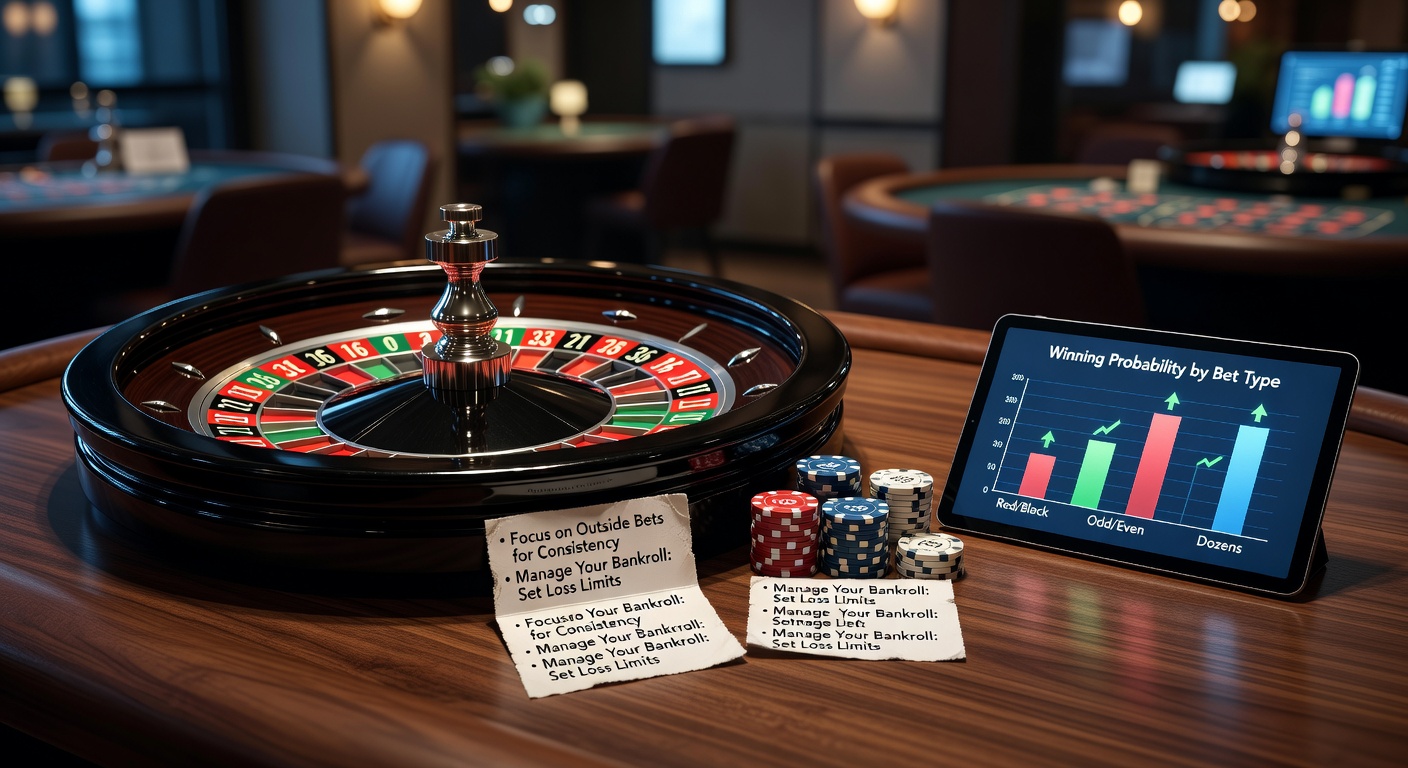
Outside bets such as red/black or odd/even provide near-even money payouts and cover larger portions of the wheel, while inside bets on single numbers or small groups deliver higher multipliers but lower hit frequencies. Analyses from the New Zealand Department of Internal Affairs illustrate that combining bet types within a single session occurs regularly, yet each selection retains its fixed probability independent of others placed simultaneously.
Technological Factors in Contemporary Play
Electronic roulette terminals and live dealer streams have expanded access points, with certification standards now covering random number generators and physical wheel integrity. Reports from the Malta Gaming Authority detail testing protocols that verify fairness metrics before public deployment, a process that continues throughout operational periods through ongoing audits. Players accessing these formats in June 2026 encountered interface tools displaying recent spin histories, although such displays serve informational purposes only and carry no influence on subsequent results.
Conclusion
roulette continues to operate under fixed mathematical parameters that betting sequences cannot modify, a reality documented across regulatory summaries, academic examinations, and industry performance data. Participants who review wheel specifications, table limits, and fund allocation practices before engaging do so within an environment where each spin remains an independent event. Current oversight frameworks in multiple regions maintain consistent standards for transparency around these elements, supporting informed decision-making based on verifiable game mechanics rather than assumed patterns.