Roulette Strategies and Player Tips: Insights for 2026
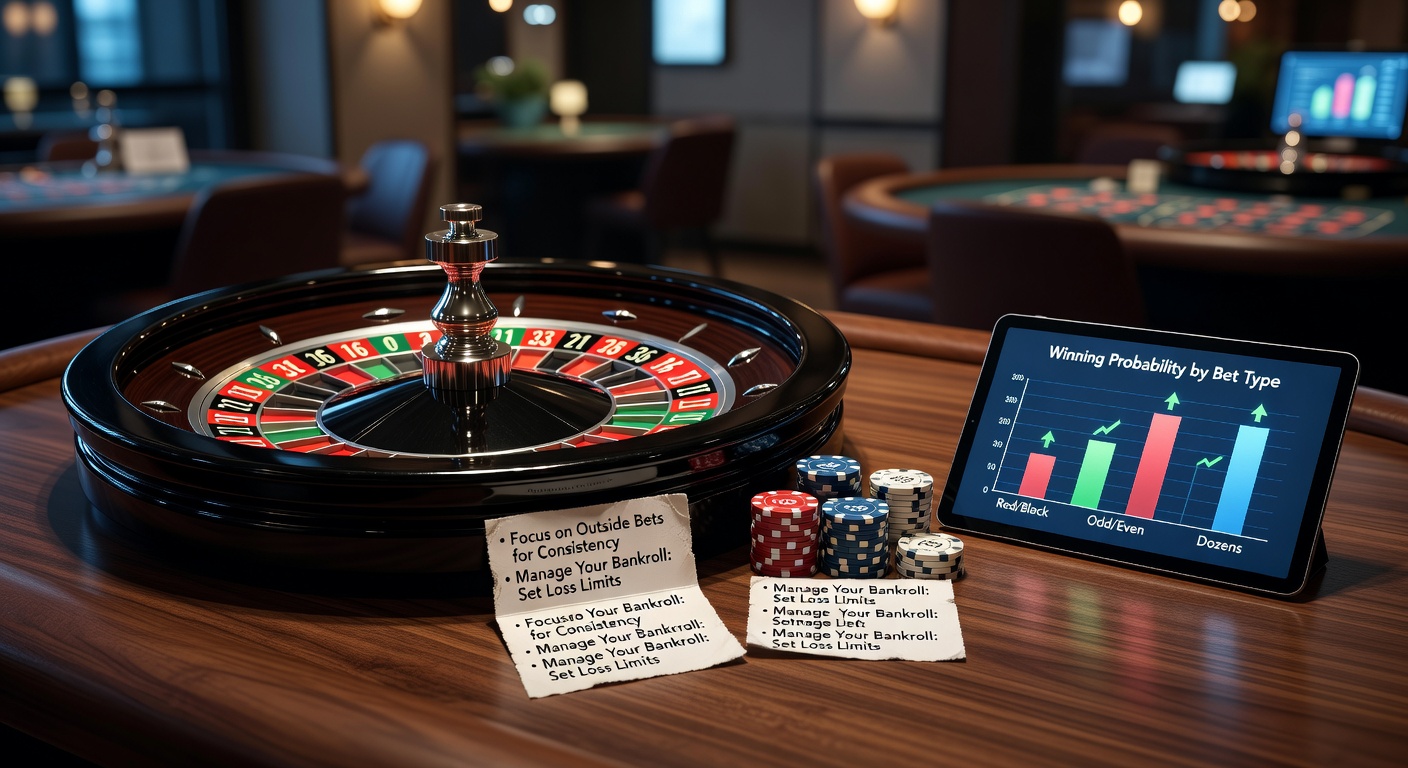
Players approach roulette with various methods that have developed over decades, and data from regulatory bodies continues to shape how these approaches perform in practice. Observers note that European wheels with a single zero remain popular in many markets because they present a house edge of 2.7 percent compared to the 5.26 percent found on American wheels that include both a zero and double zero. Research indicates that selecting the right wheel type forms a foundational step before any betting pattern enters the picture.
Betting systems attract considerable attention yet none alter the underlying probabilities built into the game. The Martingale approach doubles stakes after each loss with the aim of recovering previous amounts plus one unit on the next win, but this method requires substantial reserves and encounters table limits quickly. Studies from university researchers have tracked long sessions where players using Martingale encountered sequences of losses that exceeded typical bankrolls before a win occurred.
Common Systems and Their Mechanics
The Fibonacci sequence offers another structured path where each bet equals the sum of the two preceding ones, and players move forward after losses while stepping back after wins. Data shows this progression grows more slowly than Martingale yet still demands careful tracking to avoid exceeding limits. D'Alembert operates on the principle of increasing bets by one unit after losses and decreasing by one after wins, creating a gentler curve that many find easier to manage during extended play.
Labouchere requires players to write down a sequence of numbers and bet the sum of the first and last figures, crossing them out on wins and adding the lost amount on the other end. Those who've studied session logs report that completing the sequence can take considerable time and capital, especially when losses cluster. None of these frameworks change the fixed odds on individual spins, a point confirmed across multiple independent analyses.
Bankroll and Session Management
Effective money management receives consistent emphasis from industry reports and player education materials. Setting a strict budget before play begins and dividing it into smaller session amounts helps maintain discipline when streaks develop in either direction. Observers note that many experienced participants exit after reaching a predetermined win target or loss threshold rather than continuing indefinitely.
Time limits also appear in guidance issued by several oversight organizations because prolonged sessions increase exposure to the house edge. Figures from the Nevada Gaming Control Board reveal steady participation levels across table games in 2025 and early 2026, with average session lengths varying widely by player type. Those who combine time caps with loss limits tend to report more controlled experiences according to aggregated survey data.

Wheel Variations and Game Formats
Differences between wheel types extend beyond the zero configuration. French roulette includes rules such as La Partage and En Prison that return half the stake on even-money bets when zero appears, effectively lowering the house edge to 1.35 percent on those wagers. Players who focus on these variants encounter slightly improved long-term retention compared to standard European tables without the rules.
Live dealer and online formats have expanded access since 2024, and June 2026 data from several European gaming authorities shows continued growth in digital roulette participation. RNG-based versions deliver identical probabilities to physical wheels when certified, while live streams introduce real-time elements that some prefer. Verification of licensing and random number generator testing remains a practical step before engaging with any platform.
Practical Tips Backed by Available Data
Selecting outside bets such as red/black or odd/even provides nearly even-money payouts with consistent frequency, though the house edge still applies over many spins. Inside bets offer higher returns but lower hit rates, and combinations of both appear in many documented strategies. Research indicates that spreading bets across multiple numbers can extend playtime yet does not improve overall expectation.
Tracking previous outcomes holds appeal for some participants, but independent trials confirm that each spin remains independent on a properly maintained wheel. Patterns observed in short samples rarely persist, a reality reflected in regulatory testing standards across jurisdictions. Those who treat each spin as a separate event tend to avoid chasing perceived trends that lack statistical support.
Conclusion
Roulette continues to draw interest because of its straightforward rules and variety of available approaches. Established systems provide structure for those who enjoy organized betting, while bankroll controls and wheel selection offer measurable ways to manage exposure. Information released by bodies such as the Nevada Gaming Control Board and academic research groups supplies ongoing context for how these elements interact in real conditions. Players who combine factual understanding of probabilities with disciplined limits position themselves for more predictable sessions regardless of short-term results.