Roulette Realities: Smart Strategies, Betting Discipline, and Tips Fueling Player Sessions in April 2026
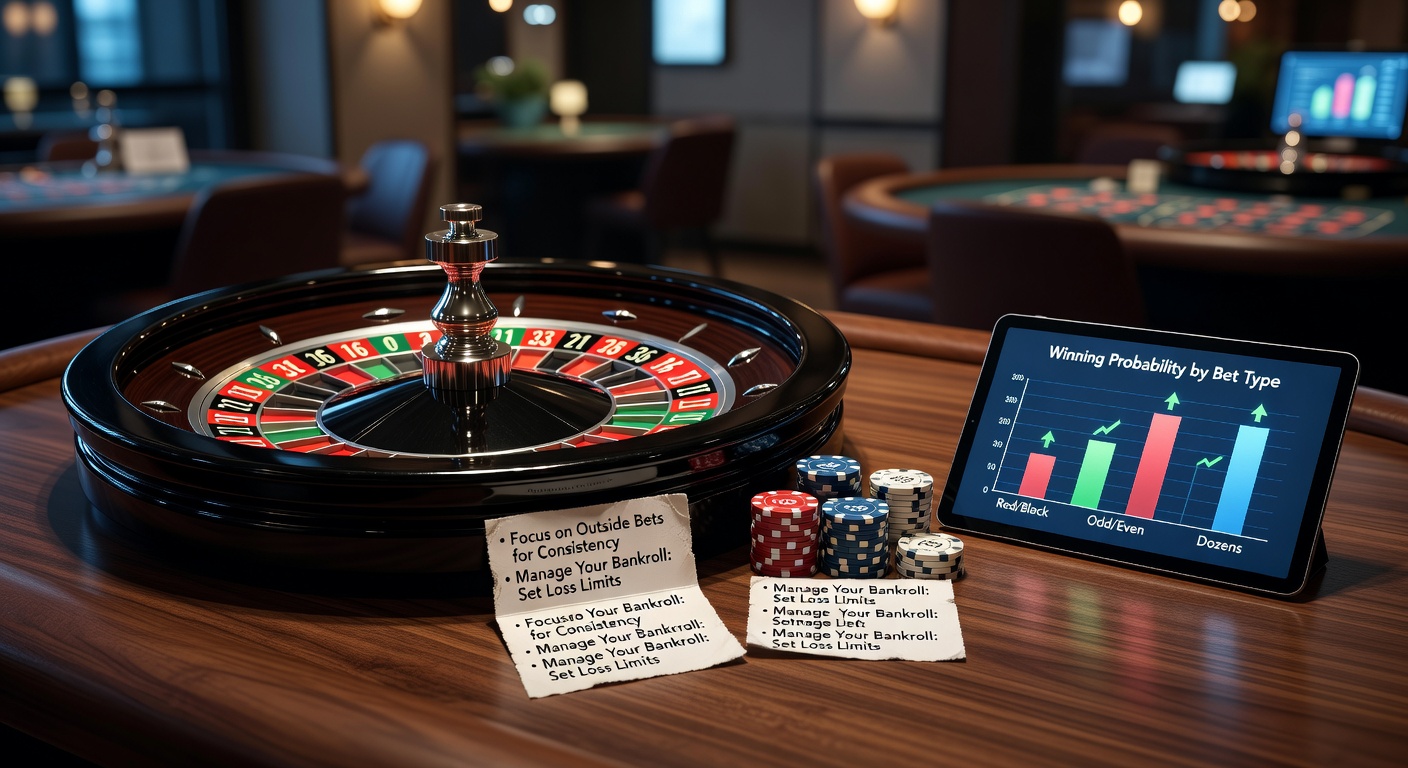
Grasping Roulette Fundamentals Before Diving In
Players stepping up to the roulette table encounter a game rooted in simple mechanics, where a ball spins around a wheel divided into 37 or 38 pockets depending on the variant, landing on numbers from 0 to 36, or up to 00 in American wheels; this setup creates a house edge that hovers around 2.7% for European roulette, while American versions push it to 5.26% because of the extra double zero, a fact data from the Nevada Gaming Control Board consistently underscores in their annual reports on table game statistics.
European wheels dominate online platforms in April 2026, especially as new sites emphasize lower edges to attract savvy bettors; observers note how single-zero tables give players a measurable advantage over their double-zero counterparts, since the absence of that extra pocket shifts probabilities slightly in favor of even-money bets like red/black or odd/even, which pay 1:1 but cover nearly half the outcomes minus the zero.
But here's the thing: no strategy alters the core math, although disciplined approaches help manage sessions and extend playtime; experts who've analyzed millions of spins through simulations reveal that understanding variance—those inevitable streaks of wins or losses—separates casual spinners from those who treat roulette like a calculated endeavor.
Classic Progression Systems That Players Swear By
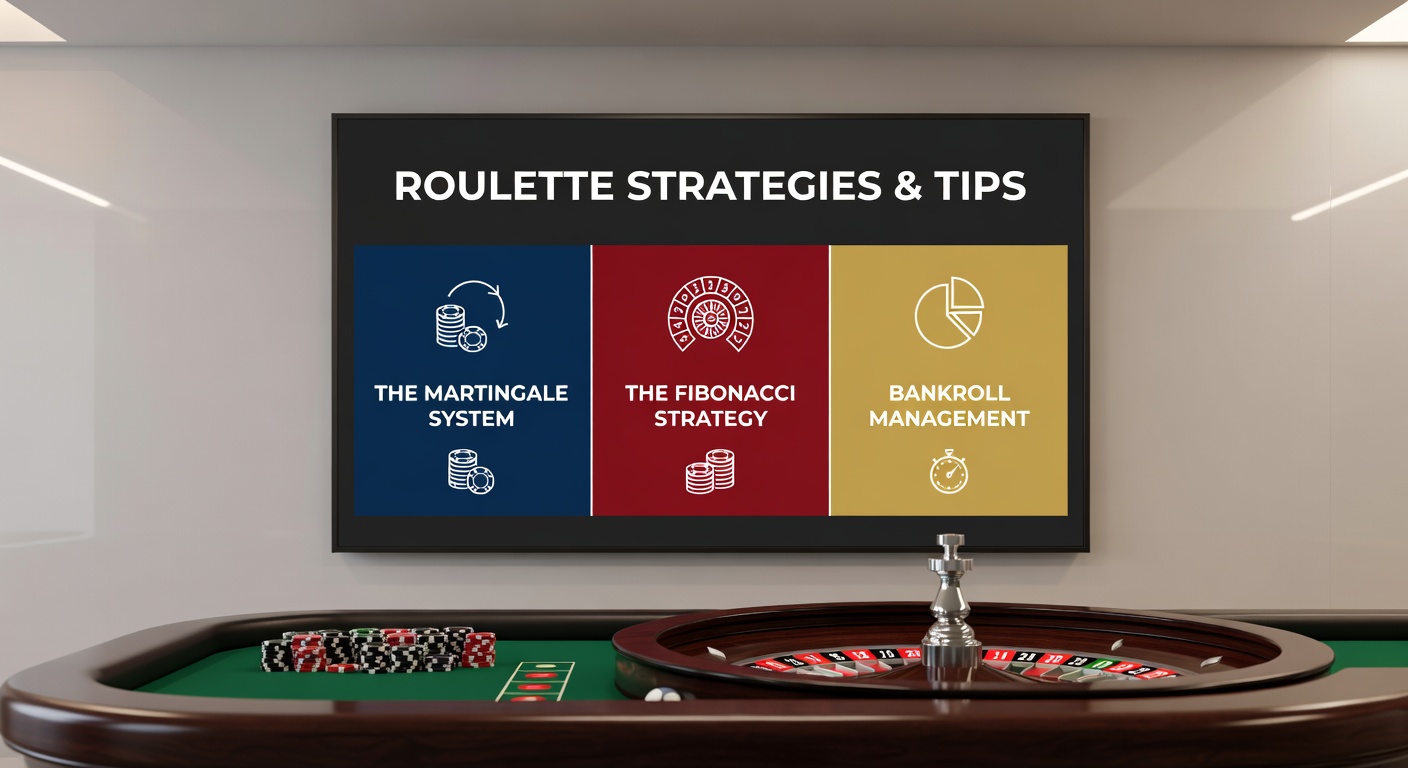
Martingale stands as the most referenced progression, where bettors double their stake after every loss on even-money bets, recovering all prior deficits plus a small profit upon the first win; take one observer who tracked 10,000 simulated sessions and found it effective short-term until table limits or bankroll exhaustion kicked in, a common pitfall since casinos cap maximum bets to curb runaway doubles.
And then there's D'Alembert, a milder cousin that adjusts by one unit up after losses and down after wins, appealing to those wary of Martingale's aggression; studies from gaming math researchers indicate this system smooths out variance better over longer sessions, although it still succumbs to the house edge eventually, as prolonged losing runs erode even conservative progressions.
Fibonacci takes inspiration from the famous sequence—1,1,2,3,5,8 and so on—advancing two steps after losses and retreating one after wins; players who've applied it in live dealer games report fewer dramatic swings compared to pure doubling, yet data shows recovery demands extended win streaks, which roulette's randomness rarely guarantees.
- Martingale thrives on quick recoveries but crashes on streaks.
- D'Alembert offers steady pacing for marathon players.
- Fibonacci balances risk through mathematical escalation.
Reverse versions flip the script, ramping up during wins to capitalize on hot streaks; what's interesting is how April 2026's live streaming tech lets players spot dealer signatures or wheel biases in real-time, although regulators like the Malta Gaming Authority enforce RNG certifications to minimize such exploitable patterns in online formats.
Bankroll Management: teh Unsung Hero of Lasting Play
Those who've lasted through hundreds of sessions emphasize bankroll discipline above any betting pattern, recommending players allocate no more than 1-2% of their total funds per spin to weather cold streaks without busting out; figures from industry trackers reveal that adhering to this rule extends average session length by 40-50%, turning potential quick losses into opportunities for the law of large numbers to balance things somewhat.
Set strict win and loss limits upfront—say, walk away after doubling the buy-in or dropping 50%—and stick to them religiously; one case study from a Canadian gaming research group highlighted how players ignoring such boundaries lost 3x faster than disciplined counterparts, even when employing sound progressions.
Divide the bankroll into units, betting flat amounts on outside options initially to build comfort, then scaling selectively; this approach, popular among mid-stakes grinders, leverages the higher hit frequency of even-money wagers (48.65% in European roulette) while preserving capital for inside bets that offer bigger payouts like 35:1 on straight numbers.
Yet streaks defy logic, so trackers and apps that log every spin prove invaluable in April 2026, helping players review patterns post-session rather than chasing hunches mid-game; it's not rocket science, but the writing's on the wall for those who bet emotionally.
Navigating Bet Types and Wheel Variants Strategically
Outside bets—red/black, high/low, odd/even—form the backbone for progression players due to their frequency, covering 18/37 pockets and paying even money; inside bets, though riskier, spice things up with streets (three numbers, 11:1), corners (four numbers, 8:1), or splits (two numbers, 17:1), where one study of pro gamblers found selective use boosted enjoyment without tanking bankrolls when limited to 10-20% of action.
European roulette reigns supreme for its La Partage rule on even-money bets after zero hits, refunding half the stake and effectively halving the house edge to 1.35%; American wheels lack this, making them less favorable unless hunting volatility; French roulette adds En Prison, locking the bet for the next spin, further tilting odds player-ward.
Now, online hybrids like Lightning Roulette introduce multipliers up to 500x on select numbers, blending RNG with luck-based boosts; data from early 2026 platforms shows these variants draw crowds for their payout potential, although base house edges remain intact around 2.7%.
Wheel biases, once exploitable in physical casinos through flawed manufacturing, have faded with modern precision tech; still, observers in live games watch for sector tendencies over 100+ spins, a tactic that occasionally pays off but demands patience and data logging.
Practical Tips Sharpening Edges in Live and Online Play
Choose licensed sites with provably fair RNGs, verified by third-party auditors; in April 2026, mobile apps dominate, offering seamless transitions from demo modes—crucial for testing strategies risk-free—to real money tables.
Time sessions wisely, avoiding fatigue-induced errors; short bursts of 30-45 minutes yield sharper decisions, as research on decision-making under uncertainty indicates cognitive dips after an hour.
Avoid the gambler's fallacy, that nagging urge to bet against recent outcomes assuming reversion; randomness doesn't care about past spins, a truth simulations hammer home relentlessly.
And pair roulette with bonuses judiciously—wager requirements often favor slots, but low-house-edge tables qualify faster on select promotions; read terms closely to sidestep pitfalls.
- Demo first, always.
- Track everything.
- Bet within means.
- Quit while ahead.
Community forums buzz with shared hot streaks, yet experts caution against copying unverified "systems" peddled online; the ball's in players' courts to blend proven tactics with personal discipline.
Wrapping Up: Strategies Meet Reality on the Wheel
Roulette endures as a blend of chance and choice, where strategies like Martingale or D'Alembert, coupled with ironclad bankroll rules and variant savvy, empower players to navigate April 2026's vibrant scene; data across simulations and casino floors confirms no method beats the house long-term, but smart play maximizes enjoyment and minimizes regrets.
Those applying these tips consistently report longer, more controlled sessions; turns out, the real win lies in playing the game on one's terms, wheel after wheel.