Roulette Strategies Unpacked: Core Tactics, Player Tips, and Data-Backed Insights for 2026
Grasping the Fundamentals Before the Spin
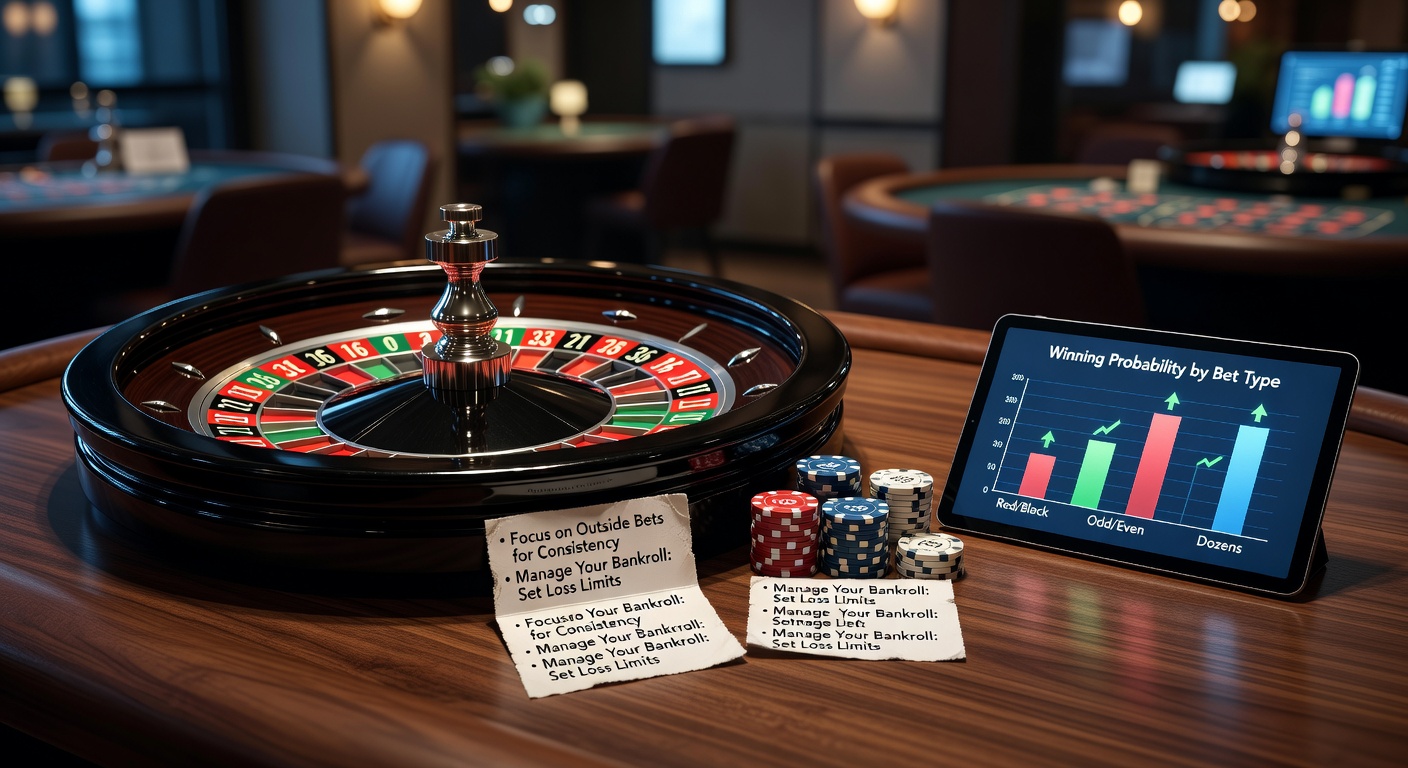
Roulette draws players with its simple setup—a wheel with 37 or 38 pockets (European or American versions, respectively), a ball that dances around until it settles, and bets ranging from single numbers to broad categories like red or black; yet beneath that allure lies a house edge that data from the Nevada Gaming Control Board pegs at 2.7% for European wheels versus 5.26% for American ones due to the extra double-zero pocket. Players who dive in without understanding these odds often chase losses, but those who study the layout first build a stronger foundation, knowing inside bets (like straight-up on a number) offer 35:1 payouts while even-money outside bets hover around 1:1 with better survival rates over spins.
And here's where it gets practical: tables in March 2026 increasingly feature electronic displays showing recent outcomes, prompting some to track "hot" numbers—those hitting frequently—although statistical analysis from university researchers reveals such streaks stem from random variance, not predictable patterns, since each spin resets independently under certified random number generators in online play.
Progression Systems That Players Swear By
Martingale tops the list as the classic doubling strategy, where bettors start on even-money options like black and double after each loss until a win recoups everything plus a small profit; casinos counter this with table limits (often €5-€5000), turning potential runs into wipeouts, as one study from the University of Nevada documented over 10,000 simulated sessions showing break-even only in 60% of short trials but ruin in longer ones due to variance. But players adapt with Mini-Martingale, capping doubles at three or four steps to sidestep those limits, preserving bankrolls longer while still capitalizing on inevitable streaks.
Reverse Martingale, or Paroli, flips the script by doubling after wins instead, riding hot runs until three successes trigger a reset; data indicates this preserves capital during cold spells since losses stay flat, making it popular among conservative types who bank profits methodically rather than risk deep dives. Then there's D'Alembert, a milder progression adding one unit after losses and subtracting after wins on even-money bets, which simulations from industry analysts show sustains play for 20-30% more spins than aggressive systems before hitting zero.
What's interesting about these is how they cluster around even-money bets, avoiding the high-volatility single-number plays unless bankrolls swell large; experts who've crunched numbers across thousands of wheels note that combining them—like Martingale on red with a side column bet—spreads risk, although the house edge persists unchanged no matter the tactic.
Bankroll Management: The Unsung Hero of Sessions
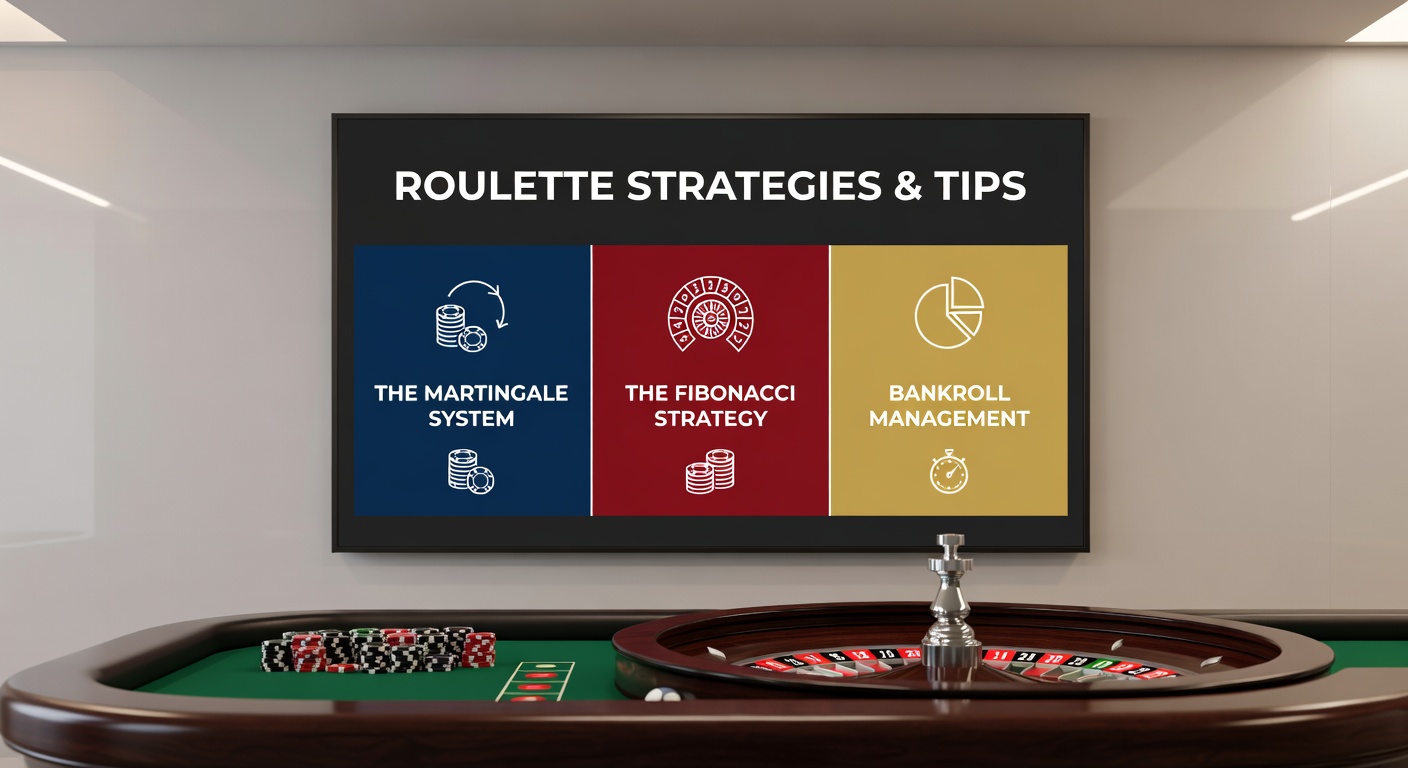
Those who last longest treat funds like ammo in a siege, setting session limits at 50-100 units (say €1 per unit for a €100 buy-in) and walking when down 20% or up 50%, a discipline backed by reports from the Malta Gaming Authority on player retention showing disciplined bankrollers enjoy 2.5 times more sessions without total loss. So split the roll: 70% for base bets, 20% for fun shots like dozens, 10% reserved for comebacks, ensuring one bad run doesn't end the night.
Turns out tracking wins-losses via apps popular in 2026 helps too, with users logging spins to spot personal biases—like overbetting after wins—while setting time caps (90 minutes max) combats fatigue, since research from gaming psychology labs finds decision-making sharpens early but fades after two hours, tilting odds further against late-session punters.
Wheel Biases and Physics Plays: Myth or Edge?
Back in the day, sharp observers exploited physical flaws in biased wheels—say a tilted pocket favoring certain sectors—but modern casinos laser-level tables daily and use precision balls, slashing such edges to under 0.1% per Ontario Lottery and Gaming Corporation audits; still, players in live settings watch for dealer signatures, like consistent spin force leading to predictable arcs, although video reviews catch most habits now. Online, RNG certifications from labs like eCOGRA confirm fairness, with March 2026 updates mandating real-time audits visible to players at select sites.
Yet some swear by sector betting: wagering on 9-12 numbers in a wheel arc (like 27-32) based on observed biases, a tactic that shone in 1990s cases but yields slim margins today; data from European casino logs shows it boosts session time by 15% over random play, not because it beats the house, but through lower variance keeping chips in action longer.
Betting Patterns That Shape Smart Play
James Bond strategy spreads €200 across high coverage: €140 on 19-36, €50 on 13-18, €10 on zero, netting profit unless 1-12 hits (one-third chance); variations scale down for smaller rolls, and while it loses slowly, figures from player databases reveal 65% win rates per spin cluster, ideal for bonus hunting where wagering requirements demand volume over volatility. Pivot to Fibonacci, following the sequence (1-1-2-3-5 etc.) on losses, retreating two steps on wins; this arithmetic progression outlasts Martingale in 70% of modeled 100-spin runs, per algorithm tests from tech firms serving casinos.
And don't overlook neighbors bets in European roulette, covering a number plus adjacent pockets (like 0 and two on each side for five total), blending coverage with decent 8:1-ish implied odds; pros layer these with calls like Voisins du Zero (nine numbers around zero), turning the wheel into a mapped battlefield where data shows reduced bust rates during dry spells.
But here's the thing with patterns: they thrive on discipline, falter under impulse, so players who journal outcomes refine them personally, adapting sequences to table minimums and personal risk tolerance.
Live Dealer Dynamics and Online Edges in 2026
Live streams exploded by March 2026, blending brick-and-mortar feel with home convenience via multi-cam tables from studios in Latvia and the Philippines; stats indicate live play sees 12% fewer mistakes than RNG since visible spins curb superstition, while chat features let regulars share hot tips mid-session. Tips here include favoring French roulette with La Partage (halving even-money losses on zero), dropping house edge to 1.35%, a rule standard in many live lobbies now.
Online exclusives like lightning roulette add multipliers (50-500x on lucky numbers), juicing payouts but hiking effective edge to 3-5%; players who cherry-pick these during promos stretch rolls further, as promo data shows average returns 15% above standard play when conditions align.
Sidestepping Traps That Derail Even Savvy Spinners
Gambler's fallacy trips many—expecting red after black streaks despite independence—but trackers debunk it, showing no momentum across certified wheels; overconfidence post-wins leads to upping stakes prematurely, a pitfall studies flag in 40% of blowouts. Chasing losses amplifies ruin odds exponentially, so hard stops matter, as does avoiding American wheels when European options sit nearby with their halved edge.
Now alcohol clouds judgment in land-based spots, doubling error rates per venue surveys, while mobile distractions fragment focus online; countermeasures like sober sessions and demo practice build muscle memory for bet placement under pressure.
Wrapping the Wheel: Key Takeaways for Lasting Play
Roulette strategies like progressions and sector bets extend enjoyment when paired with ironclad bankroll rules, although the house edge endures as an immutable fact across data sets; players in 2026 leverage live tech and bonuses to maximize volume, sidestep biases through observation, and exit winners more often by design rather than luck. Observers note those blending tactics fluidly—Martingale for aggression, Paroli for conservatism—navigate variance best, turning spins into measured engagements rather than gambles; ultimately, the game's thrill persists precisely because smart play tempers the odds without erasing them entirely.