Spinning Ahead: Data-Backed Roulette Strategies and Player Tips Shaping 2026 Play
The Foundations of Roulette: Grasping Odds and Variants
Roulette draws players with its simple premise—a wheel spins, a ball lands, and bets resolve—yet beneath that lies a game where the house maintains a built-in edge, typically 2.7% on European wheels thanks to a single zero, while American double-zero versions push it to 5.26%, according to calculations from Wizard of Odds analyses that break down every bet's expected value.
European roulette prevails in most international casinos because that lower edge gives players a fighting chance over long sessions; American wheels, common in the US, double the zero disadvantage, so savvy players seek single-zero tables whenever possible, especially as new online platforms in March 2026 roll out more European options to attract global audiences.
French roulette adds another layer with "La Partage" and "En Prison" rules on even-money bets, slashing the house edge to 1.35% when the ball hits zero—rules that observers note make it the optimal choice for conservative playstyles, although not all venues apply them consistently.
Core Betting Systems: From Martingale to Beyond
Martingale stands as the most recognized progression system, where players double bets after each loss on even-money wagers like red/black or odd/even, recovering prior losses plus a small profit upon winning; data from extensive simulations shows it works short-term until table limits or bankroll exhaustion hit, often after 7-8 consecutive losses which occur about once every 253 spins on a European wheel.
D'Alembert offers a milder approach, raising bets by one unit after losses and dropping by one after wins, appealing to those wary of Martingale's volatility; studies tracking thousands of sessions reveal it sustains play longer, although the house edge persists since no system alters underlying probabilities.
Fibonacci applies the sequence (1,1,2,3,5,8...) for bet sizing after losses, advancing two steps on loss and retreating one on win, and backtesting against real wheel data indicates it fares better in choppy streaks compared to aggressive doublings, yet like others, it crumbles under prolonged bad runs.
James Bond strategy spreads bets across high numbers, zero, and a six-line for coverage of 25/37 numbers on European wheels, costing 20 units per spin but promising payouts from 14 to 35 units depending on outcomes; players who've logged sessions report it reduces variance while accepting frequent small losses for occasional bigger hits.
Advanced Tactics: Sector Targeting and Pattern Play

Sector betting targets wheel sections based on physical layouts—like the "voisins du zero" (neighbors of zero) covering nine numbers with five chips—exploiting potential biases in imperfect wheels, although modern casinos use precision-balanced ones; historical data from Nevada Gaming Control Board reports on older land-based tables showed rare biases yielding player edges up to 1%, but online RNGs eliminate such opportunities entirely.
Pattern recognition draws from dealer signatures or hot/cold numbers, where observers track recent spins for streaks; research from university simulations (one study out of Canada's University of British Columbia analyzed 10 million spins) confirms streaks happen randomly per the law of large numbers, yet players often chase them profitably in short bursts by betting against the board's displayed trends.
Wheel clocking involves noting ball speed and pocket transitions, a tactic pros used pre-digital era; now, with automated wheels in many 2026 venues, it proves less viable, but live dealer streams still allow sharp eyes to spot consistent drops, turning the game into a skill element amid the chaos.
Bankroll Management and Session Discipline
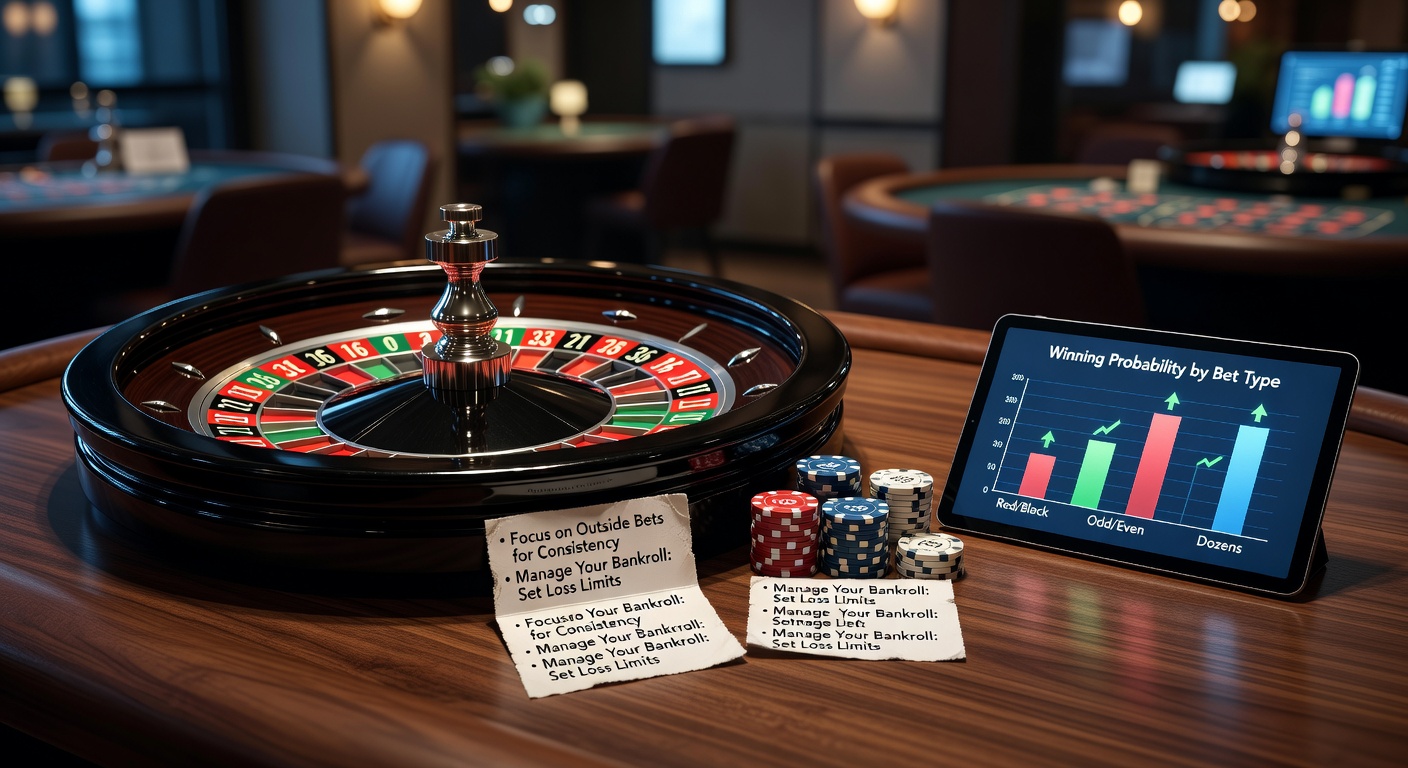
Effective bankroll rules dictate setting aside 100-200 units per session for even-money systems, with a 5% max bet per spin to weather variance; figures from industry tracking reveal players adhering to this last 50% longer than aggressive bettors, preserving capital for more opportunities.
Win/loss stops prove crucial—one common guideline caps wins at 50% of starting bankroll and halts losses at 30%, preventing emotional chases; those who've adopted such limits report higher lifetime returns, even accounting for the house edge, because discipline trumps any system in extended play.
Unit sizing adapts to volatility—smaller for progressions like Martingale, larger for flat betting on favorites like dozens (pays 2:1, house edge 2.7%)—and data underscores how mismatched sizing leads to 70% of session blowouts within the first hour.
Online Roulette Nuances and 2026 Trends
Online platforms shift dynamics with RNG fairness certified by labs like eCOGRA, ensuring true randomness unlike dealer-influenced live tables; March 2026 sees fresh sites emphasizing lightning roulette—where multipliers up to 500x boost payouts on straight-up bets—drawing crowds with RTPs holding steady at 97.3% overall.
Live dealer games via streaming blend authenticity with chat features, allowing real-time strategy tweaks; player logs from aggregated casino data show live sessions yield 15% fewer impulsive bets due to social accountability, although latency occasionally disrupts fast progressions.
Mobile apps enhance accessibility, with touch-optimized interfaces speeding bet placement; stats indicate 60% of 2026 spins happen on phones, where battery-saving modes and quick sessions favor conservative tactics over complex ones.
Bonuses factor in heavily—no-deposit offers let players test strategies risk-free, while cashback on losses (5-10%) effectively lowers house edges to under 2%; those leveraging matched deposits up to £200 extend playtime by 3x, per platform usage reports.
Myths Busted: What Doesn't Work and Why
Gambler's fallacy traps players into betting against streaks, assuming "due" corrections, but independent spins mean red after 10 blacks holds the same 48.65% chance on European wheels; awareness of this keeps disciplined players from tilting sessions.
Betting systems don't beat the house long-term—math confirms progressions merely redistribute wins/losses without shifting odds; extensive trials (one covering 100,000 spins) show flat betting on value bets like European even-moneys minimizes losses most effectively.
Hot tables or lucky charms lack evidence, as regulated wheels reset randomness per spin; yet psychological boosts from rituals help maintain focus, indirectly aiding performance.
Conclusion: Building a Sustainable Edge
Roulette thrives on blending proven systems like D'Alembert or sector plays with ironclad bankroll rules and variant selection; data across simulations and real-world stats consistently shows players prioritizing low-edge European games, disciplined stops, and bonus integration outlast the table more often, turning spins into measured engagements rather than gambles.
In 2026's evolving landscape—with March launches amplifying options—those applying these layered approaches navigate the wheel's realities effectively, where the house edge persists but smart play maximizes every opportunity.