Spinning Fortunes: Smart Bets and Timeless Tactics in Roulette Play
Jakob Carter · Aug 22, 2026
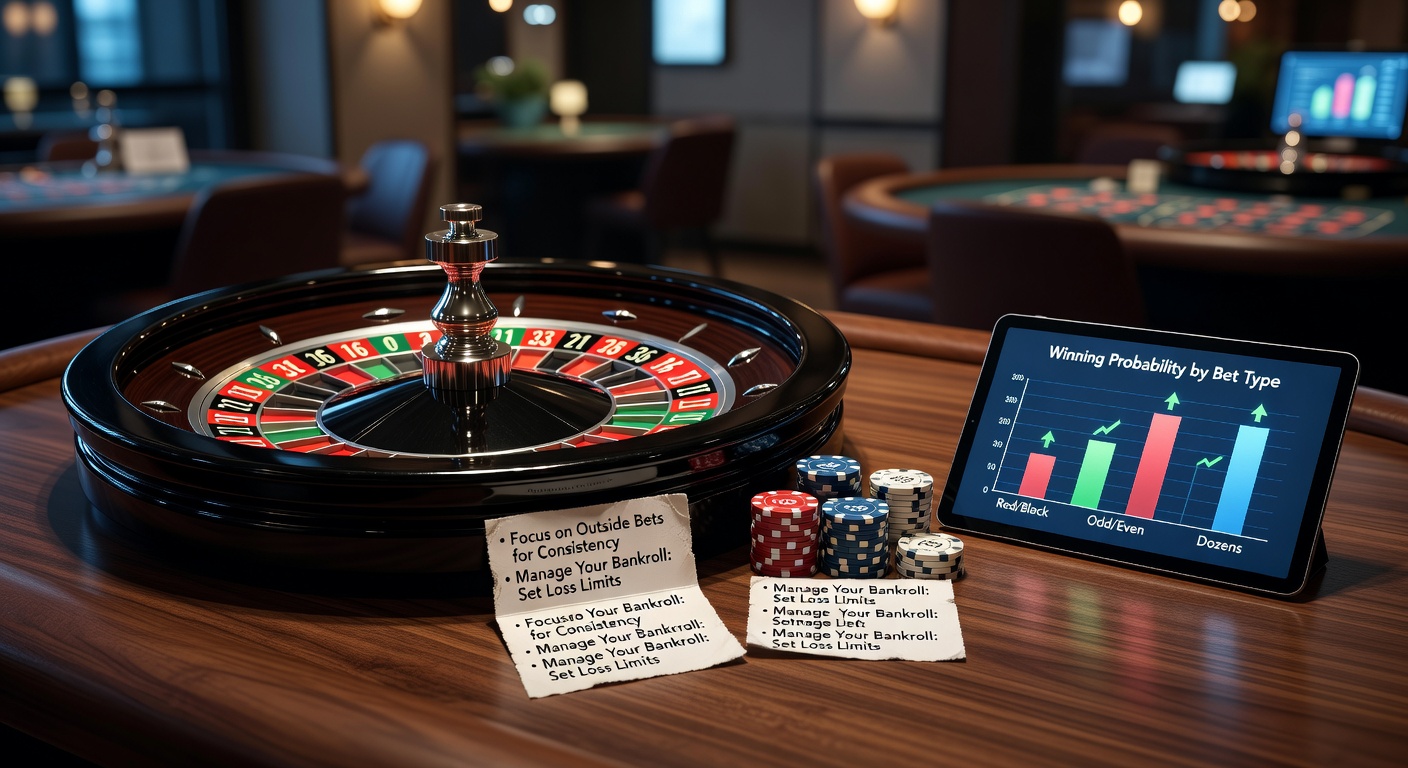
Players continue turning to roulette tables across both physical casinos and digital platforms as August 2026 unfolds, and data from various gaming authorities highlight steady participation levels in wheel-based games. Observers note that participants often explore structured betting patterns alongside basic probability principles, while researchers emphasize that no method alters the built-in house advantage present in every spin. European roulette variants maintain a single zero pocket, whereas American versions incorporate both a zero and double zero, creating measurable differences in expected returns according to long-term payout analyses.Core Betting Patterns in Use
Many individuals apply the Martingale approach by doubling stakes after each loss on even-money wagers such as red or black, yet studies from university mathematics departments confirm this system requires substantial reserves because extended losing streaks can exhaust funds quickly. The Fibonacci sequence offers another route where bettors increase wagers following the numerical progression of one, one, two, three, five and beyond after losses, then reduce after wins, but evidence from simulation models shows the same house edge persists regardless of sequence adherence. Observers have watched players test the D'Alembert method by raising or lowering stakes by one unit after outcomes, and records indicate it produces more gradual bankroll shifts compared with aggressive doubling tactics.
Bankroll Practices and Table Selection
Effective bankroll allocation remains central to extended play, with experts recommending that participants set aside no more than one to two percent of total funds per spin to weather variance. Data indicates that choosing tables with lower minimum bets allows longer sessions, while those who study payout tables before sitting down avoid surprises from differing rules on even-money bets. In August 2026 several operators introduced updated interfaces that display real-time statistics on recent spins, though analysts stress these figures hold no predictive value for future results because each spin stays independent.

Regional Regulatory Context and Data Trends
Reports from the Nevada Gaming Control Board document consistent revenue contributions from roulette across state-licensed properties through mid-2026, while figures released by the Canadian Centre on Substance Use and Addiction outline participation patterns north of the border. Those reviewing such datasets often notice that players who combine multiple short sessions rather than marathon stretches report steadier outcomes over time, although this stems from reduced exposure rather than any alteration in odds. Research papers from European academic institutions further illustrate that house edges range between 2.7 percent on single-zero wheels and 5.26 percent on double-zero layouts when standard rules apply.
Practical Steps for Informed Participation
Individuals frequently begin by practicing free versions of roulette software to familiarize themselves with bet placement and payout ratios before committing real funds. Setting win and loss limits ahead of time helps maintain discipline, while reviewing casino licensing status through independent verification services adds a layer of security for online sessions. Observers point out that August 2026 has seen increased availability of live dealer streams with adjustable camera angles, enabling participants to follow wheel behavior more closely, yet probability calculations remain unchanged by visual enhancements. Those who track personal results across multiple sessions gain clearer pictures of their own play habits without expecting to overcome statistical realities. Conclusion Roulette continues to draw participants through its blend of chance and structured decision points, and current records from regulatory bodies show ongoing interest without evidence that any strategy shifts fundamental odds. Players who combine knowledge of wheel variations, disciplined fund allocation, and awareness of independent spin outcomes position themselves for measured engagement as the year progresses.