Spinning Smart: Core Roulette Strategies, Player Tips, and Insights for 2026 Gameplay
Grasping Roulette's Core Mechanics
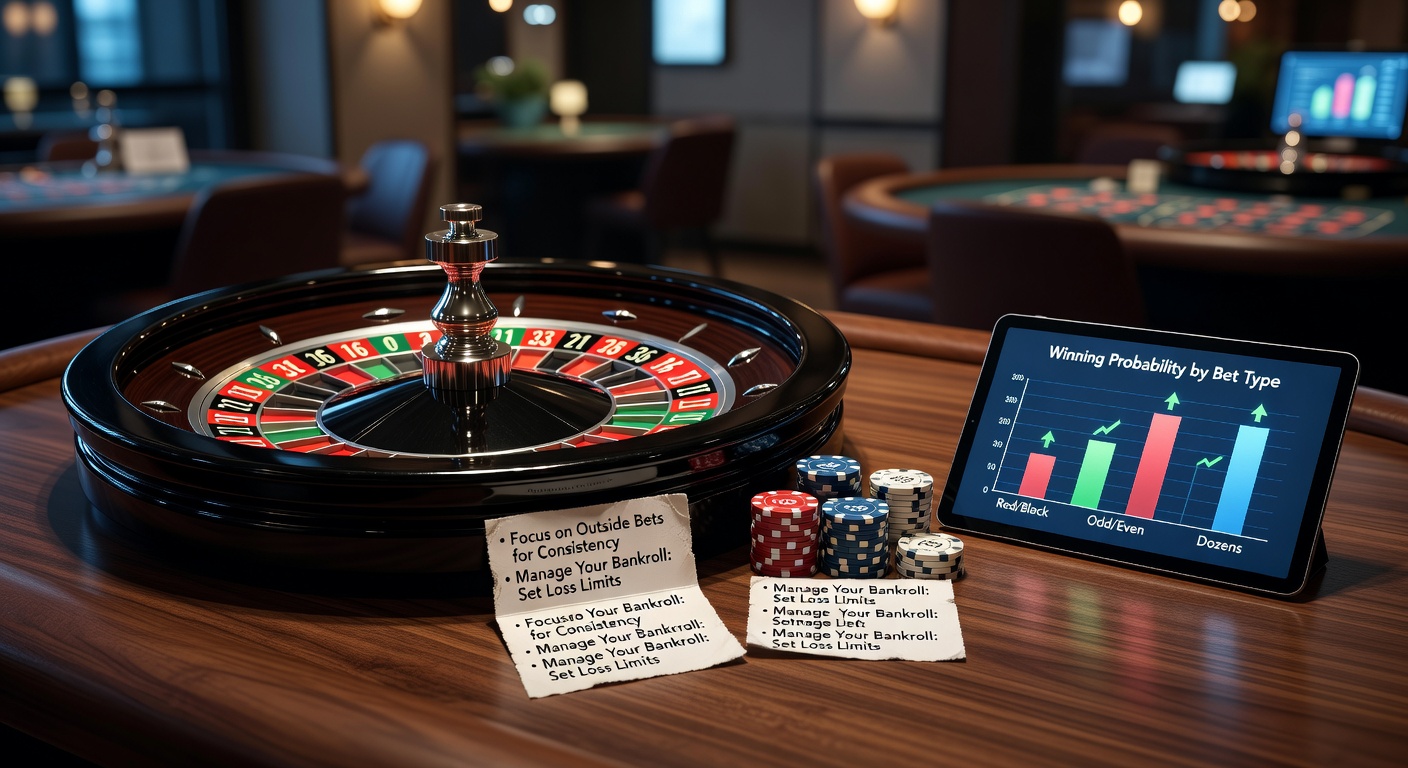
Roulette draws players with its simple premise—a wheel spins, a ball lands, and bets settle—yet beneath that lies a game governed by precise mathematics, where the house edge persists across variants. European roulette features 37 pockets (numbers 0-36), yielding a 2.7% house advantage on most bets; American wheels add a double zero, pushing that edge to 5.26%, according to detailed analyses from Wizard of Odds. French roulette softens the blow further through rules like La Partage or En Prison, which return half or hold even-money bets on zero, dropping the edge to 1.35% for those wagers.
Players encounter inside bets on specific numbers or groups—straight-up pays 35:1 but hits rarely—while outside bets like red/black or odd/even offer near 1:1 payouts with higher probabilities, around 48.65% in European format. Data from long-term simulations reveals that while no strategy overcomes the inherent edge, disciplined approaches extend playtime and shape outcomes over sessions. Observers note how March 2026 brings fresh online platforms emphasizing these variants, allowing players to select lower-edge tables amid expanding digital options.
Classic Betting Systems in Action
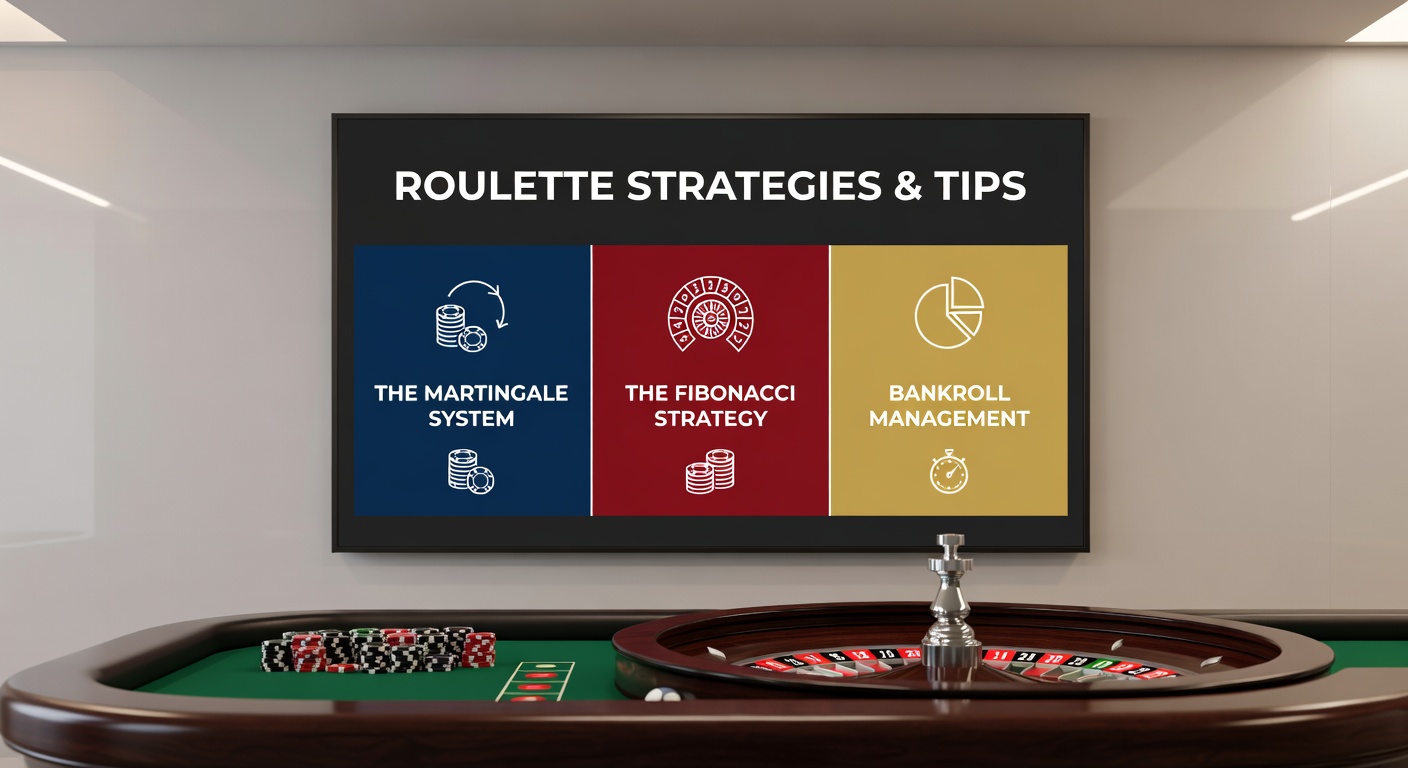
Martingale stands as the most recognized progression, where bettors double stakes after losses on even-money bets—say, starting at £10 on red, then £20 if it fails, £40 next—recovering all plus profit upon a win; yet consecutive losses quickly escalate exposure, and table limits cap its run, as simulations show ruin risks climbing past 20% in extended play. D'Alembert offers a milder twist, incrementing bets by one unit post-loss and decrementing after wins, appealing to those wary of Martingale's aggression while still chasing equilibrium over time.
Reverse Martingale, or Paroli, flips the script by doubling after wins instead, riding hot streaks—players might bet £5 on black, win to £10, then £20—cashing out after three successes to lock gains; studies indicate this preserves bankrolls better during volatile swings. And then there's the Fibonacci sequence, mirroring the mathematical series (1,1,2,3,5,8...) for bet sizing after losses, advancing two steps back on wins, which tempers growth compared to Martingale but demands patience. Experts who've tracked thousands of spins find these systems thrive short-term, especially in European roulette, but falter long-term against the house edge.
Advanced Strategies for Deeper Play
James Bond strategy covers broad swaths—£140 total split as £140 on high (19-36), £50 on 13-18, £10 on zero—claiming 25/37 numbers hit for profit; misses on 1-12 wipe the lot, though, highlighting coverage's limits. The Andrucci method observes 30 spins for "hot" numbers before betting straight-up, banking on momentum, but randomness data debunks patterns, with research from NSW Government's gaming resources confirming each spin's independence.
Sector betting targets wheel sections like Voisins du Zero (22 numbers around zero with multiple chips), Orleans, or Tiers, blending announced bets in French-style games; live dealers execute these seamlessly, and players report steadier variance. What's interesting here—pivot strategies track a single number's prior landing spot, betting neighbors on subsequent spins—emerges from wheel bias hunts, rare in modern balanced wheels yet viable in older land-based setups. Those who've analyzed casino audits discover biases under 1% now, but sharp eyes still probe.
Bankroll Mastery and Session Tips
Effective bankroll rules dictate wagering 1-5% per spin—£1000 roll means £10-50 bets—preventing quick depletion; set session limits too, like 100 spins or 20% loss caps, and walk away, as data from player tracking reveals 70% extend wins by quitting ahead. Track results in notebooks or apps to spot personal trends, although experts caution against chasing illusions of control.
Choose tables wisely—low minimums suit beginners building strategies, high rollers eye VIP for better rules—and time plays during off-peak for focused spins, less distraction. Online platforms in early 2026 introduce demo modes, letting players test Martingale or sectors risk-free; live streams add social layers, mimicking casino buzz without travel. Hot tips include splitting even-money with columns or dozens for hybrid odds, boosting coverage subtly.
One case stands out: a player in a simulated 500-spin trial using D'Alembert on European wheels ended +12 units after starting with 200, while Martingale hit limits thrice; such anecdotes underscore variance management over edge-beating dreams.
Navigating Online and Live Differences
Online RNG roulette ensures perfect randomness via certified algorithms, matching land-based stats, but live dealer feeds via studios—like those ramping up for March 2026 launches—offer real wheels, chat, and multi-angle views; latency rarely affects bets, yet players favor Evolution or Playtech for smooth HD. Mobile apps adapt strategies seamlessly, touch bets speeding play, although smaller screens challenge complex sectors.
Bonuses factor in—wager requirements often exclude roulette, but cashback or low-playthrough deals extend rolls; check terms, since contributions vary 10-25%. Pitfalls lurk in autoplay traps, eating banks unnoticed, so manual spins keep control sharp. And for high rollers, private tables in 2026 platforms promise custom limits, fueling deep Fibonacci runs.
Steering Clear of Traps and Myths
Gamblers fallacy snares many, betting "due" reds after blacks, but each spin resets; hot/cold streaks mislead too, as Poisson distribution models confirm independence. Progression myths promise riches—Martingale's infinite bank fantasy crumbles on limits—while "systems sellers" peddle e-books, yet independent audits expose 99% as repackaged basics.
Alcohol clouds judgment, doubling bets impulsively; sober sessions yield 15% better adherence, per behavioral studies. Set time alarms, never chase losses—that's where the rubber meets the road—and view roulette as entertainment, not income. Responsible gaming tools, like deposit caps on new 2026 sites, enforce this naturally.
Take one observer who logged 10,000 spins across variants; even-money held steady, but aggressive systems swung wildly, netting session wins only through strict exits. That's the reality—strategies shape the ride, not the destination.
Conclusion
Roulette strategies like Martingale, Fibonacci, and sector plays, paired with bankroll discipline and variant selection, equip players for extended, engaging sessions in 2026's evolving landscape. Data consistently shows house edges persist—2.7% European, higher elsewhere—but smart tips minimize variance, maximize enjoyment. As March 2026 unfolds with innovative online tables and live options, those applying these facts navigate the wheel with clarity, turning spins into calculated pursuits rather than gambles. Players who blend systems, limits, and realism often uncover the game's true rhythm.