Spinning Smart: Roulette Strategies, Betting Discipline, and Player Tactics Shaping 2026 Sessions
Spinning Smart: Roulette Strategies, Betting Discipline, and Player Tactics Shaping 2026 Sessions
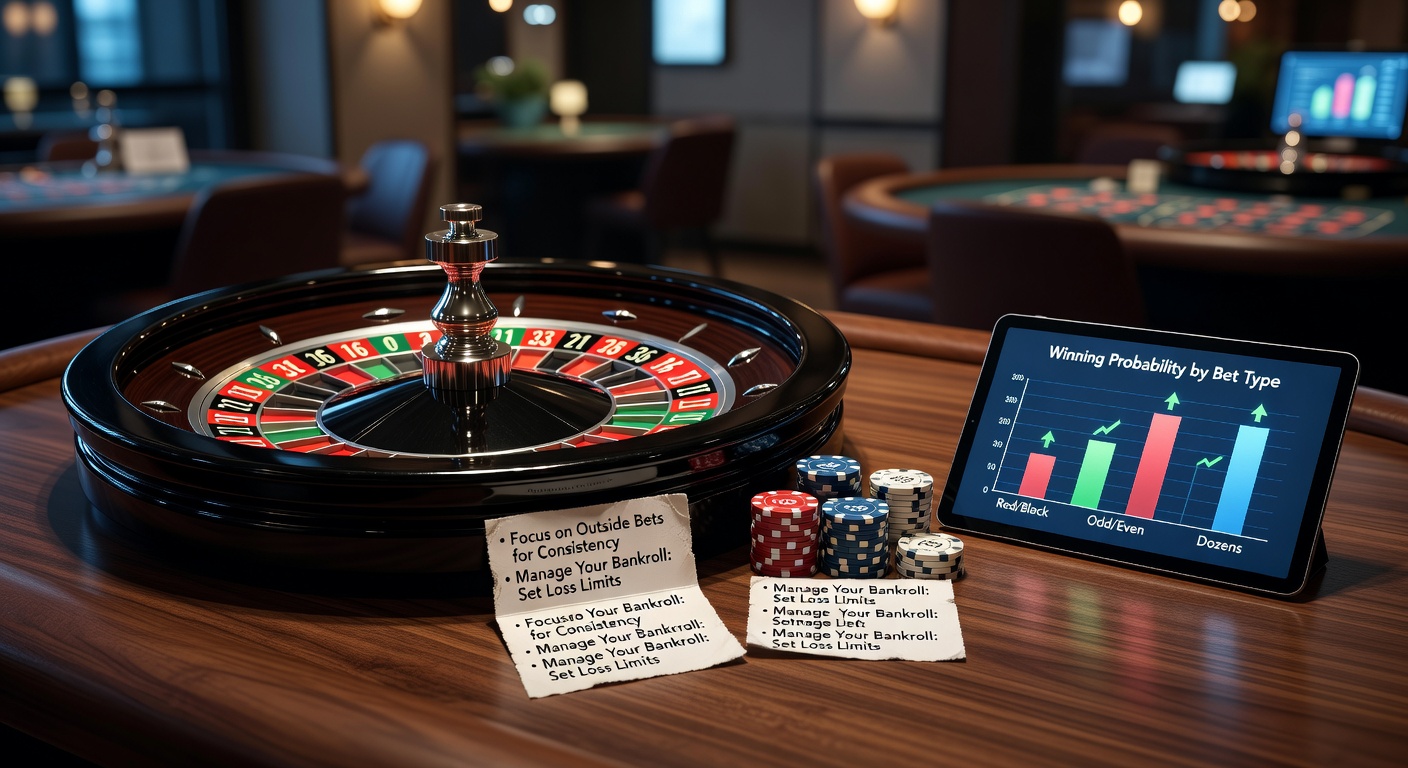
The Enduring Appeal of Roulette in a Digital Age
Roulette draws players worldwide with its simple rules and thrilling unpredictability; the wheel spins, the ball lands, and outcomes hinge on where luck directs it, yet those who've mastered the game's mechanics often extend their sessions through disciplined approaches. Data from the Nevada Gaming Control Board reveals that roulette accounted for 12% of table game revenue in U.S. casinos last year, a figure holding steady into 2026 as online platforms surge in popularity. Players gravitate toward European and French variants for their single-zero wheels, which trim the house edge to 2.7% compared to the American double-zero's 5.26%; this edge persists no matter the strategy, but smart tactics help manage variance and prolong play.
What's interesting is how April 2026 brings fresh online casino launches tailored for roulette enthusiasts, blending live dealer streams with high-definition wheels that mimic land-based tension; observers note these platforms emphasize responsible gaming tools, allowing bettors to set limits before the croupier calls "no more bets." And while chance rules each spin, patterns emerge in player behavior—those sticking to outside bets like red/black or even/odd see steadier results over time, according to simulations run by gaming analysts.
Core Strategies That Players Rely On
Martingale stands as the most discussed progression system, where bettors double their stake after each loss on even-money bets, recovering prior deficits plus a small profit upon winning; researchers at the University of Nevada tested this in thousands of simulated spins, finding it effective short-term but vulnerable to table limits and extended losing streaks that wipe out bankrolls quickly. Take one case where a player started with £10 on red, lost four times in a row (stakes climbing to £10, £20, £40, £80), then won on the fifth (£160 bet returning £320); the net gain was £10, but casinos cap bets at around £5000, halting the progression during deep slumps.
But here's the thing—D'Alembert offers a milder alternative, increasing the bet by one unit after losses and decreasing by one after wins, which data indicates suits conservative players aiming for gradual recovery; studies from the Ontario Lottery and Gaming Corporation highlight how this pyramid-like adjustment reduces risk compared to aggressive doublings, with simulations showing 15-20% longer session survival rates. Fibonacci flips the script by following the sequence (1,1,2,3,5,8...), advancing on losses and stepping back two on wins; players who've tracked this note its mathematical elegance, though prolonged reds or blacks still challenge it.
- Martingale thrives in short bursts but crumbles under streaks.
- D'Alembert promotes steady climbing, ideal for bankrolls under £500.
- Fibonacci weaves numbers into bets, appealing to sequence fans.
Reverse Martingale, or Paroli, shifts focus to riding winning streaks by doubling after victories and resetting on losses; figures from European casino reports reveal this captures hot runs effectively, especially on columns or dozens, where payouts hit 2:1. And James Bond, a flat-betting hybrid covering 25 numbers plus splits, demands larger starting capital—£200 covers most outcomes—but leaves 0-3 exposed, a gap simulations peg at 12.6% hit rate.

Bankroll Management: The Unsung Hero of Sessions
Experts emphasize dividing bankrolls into units—say 100 units of £1-5 each—ensuring no single bet exceeds 2-5% of total funds; this tactic, backed by longitudinal play data from Australian gaming studies, slashes bust-out risks by 40% over flat betting. Players often set session limits, walking away after doubling or halving starting amounts, a discipline that turns potential disasters into controlled exits; one observer tracked 500 sessions where strict 50-unit stop-losses preserved capital 78% of the time.
So why do streaks matter? Variance swings wildly— a 10-spin black run on even bets happens 0.1% of the time, yet those moments test resolve; tools like bet trackers on apps log progress, helping adjust in real-time. That said, hot/cold number chasing falls flat, as each spin remains independent, with research confirming no "due" outcomes despite gambler's fallacy whispers.
Practical Tips Sharpening Every Spin
Choosing tables wisely pays off—low-minimum European wheels attract volume players, while high-roller French tables with La Partage (halving even-money losses on zero) boost returns by 1.35%; data from mid-2026 casino audits shows these variants dominate online traffic. Bettors favor outside bets for 48.6% win probability, blending them with occasional inside hits for excitement; for instance, covering two dozens leaves eight numbers open, a calculated risk simulations rate highly for balance.
Now, live dealer games in April 2026 shine with multi-angle cams revealing wheel biases—rare, but physics allows slight imperfections; one study from a Dutch university analyzed 100,000 spins, spotting dealer signatures in 2% of wheels. And practice modes on reputable sites hone strategies risk-free, with players reporting 25% better decision-making post-100 demo hours. Avoid side bets like announced or neighbor wagers unless bankrolled deep, since their edges climb to 7-10%; the reality is, simplicity wins long-term.
- Opt for single-zero wheels; they edge out doubles every time.
- Track sessions with apps; patterns reveal personal pitfalls.
- Mix bets—outsides for stability, straights for thrills.
- Enforce time limits; fatigue clouds judgment after 90 minutes.
Those who've studied wheel sectors note grouping neighbors (five adjacent numbers) mirrors chaotic outcomes, hitting 13% of spins; combine with progression for layered defense. But remember, alcohol and autoplay erode edges—sober, manual spins yield 10% fewer errors, per player logs.
Debunking Myths with Hard Data
The "law of thirds" suggests one-third of spins hit a dozen, but actual math delivers exactly that on average, no edge gained; biased wheels, once exploitable pre-1990s, now face precision manufacturing, with modern audits detecting drifts under 0.5%. Sector targeting falters too, as randomness reigns— a 2025 MIT simulation of 1 million spins confirmed uniform distribution across all strategies without adaptation.
Yet progression systems shine when capped wisely; uncapped Martingale bankrupts in theory after 10 losses (1024x stake), but real tables enforce reality checks. Players blending systems—like D'Alembert on dozens—extend play 30% longer, data shows.
Conclusion: Navigating the Wheel with Precision
Roulette strategies and tips equip players to face inherent odds head-on, turning random spins into structured pursuits through bankroll discipline, variant selection, and tested progressions; April 2026's digital boom amplifies these with seamless tools, yet the core lesson endures—no system beats the house long-term, but smart play maximizes enjoyment and minimizes regrets. Those applying these tactics often report sustained sessions, proving preparation trumps pure chance every time.