UK Gambling Commission Releases Q2 2025 Industry Stats: £4.3 Billion GGY Highlights Steady Sector Performance

The Latest Quarterly Snapshot from Licensed Operators
The UK Gambling Commission dropped its official quarterly industry statistics for Q2 of the financial year running April 2025 to March 2026, covering July through September 2025, and figures reveal a total gross gambling yield—or GGY, the net win for operators after payouts—of £4.3 billion across Great Britain when lotteries join the tally, while excluding them brings that down to £3.2 billion. Data pulled straight from licensed operators paints a picture of the sector's pulse, spotlighting everything from physical betting shops to online platforms, and observers note how these numbers capture ongoing performance alongside those familiar seasonal ebbs and flows that hit harder in summer months.
What's interesting here—and this crops up every quarter—is the way GGY breaks down between remote and non-remote activities, showing remote sectors pulling more weight as players shift toward apps and sites; non-remote betting alone clocked £592 million, making up 48.2% of the total non-remote GGY, while the nation counts 5,782 betting shops still dotting high streets and corners. And then there are the 190,965 gambling machines humming away in licensed premises, from pubs to arcades, contributing steadily to the mix.
Breaking Down the Gross Gambling Yield Figures
Total GGY hit £4.3 billion including lotteries, a figure that bundles in everything from National Lottery draws—which often swell during summer promotions—to casino slots and sports bets; strip those lotteries out, though, and £3.2 billion remains for core gambling activities, underscoring how lotteries pad the overall pot without dominating it entirely. Remote casino, betting, and bingo sectors combined raked in £2.0 billion, highlighting the digital boom where convenience keeps players logging in from home, work, or even while traveling.
Non-remote betting, meanwhile, stood firm at £592 million; that's 48.2% of all non-remote GGY, meaning shops and tracks accounted for nearly half the physical side of things, even as foot traffic faces headwinds from online rivals. Betting shops numbered 5,782 at quarter's end, a count that holds steady amid closures and openings, while those 190,965 machines in licensed spots—from 10p fruit machines in corners to higher-stakes setups—kept spinning, generating yields that support local economies but also draw regulatory eyes.
Turns out seasonal trends play a big role, with Q2 often seeing a dip from spring's horse racing peaks or winter's football frenzy, yet these figures show resilience; experts who've tracked past quarters point out how summer brings lighter sports calendars—think fewer league games—but events like Wimbledon or early Premier League qualifiers still drive bets.
- Total GGY including lotteries: £4.3 billion
- Total GGY excluding lotteries: £3.2 billion
- Non-remote betting GGY: £592 million (48.2% of non-remote total)
- Remote casino, betting, bingo GGY: £2.0 billion
- Betting shops: 5,782
- Gambling machines in licensed premises: 190,965
Such breakdowns, drawn from licensed operators' submissions, offer a clear lens on where money flows, and as the financial year pushes toward March 2026, these Q2 stats set the stage for what's next in a regulated landscape tightening around player protection.
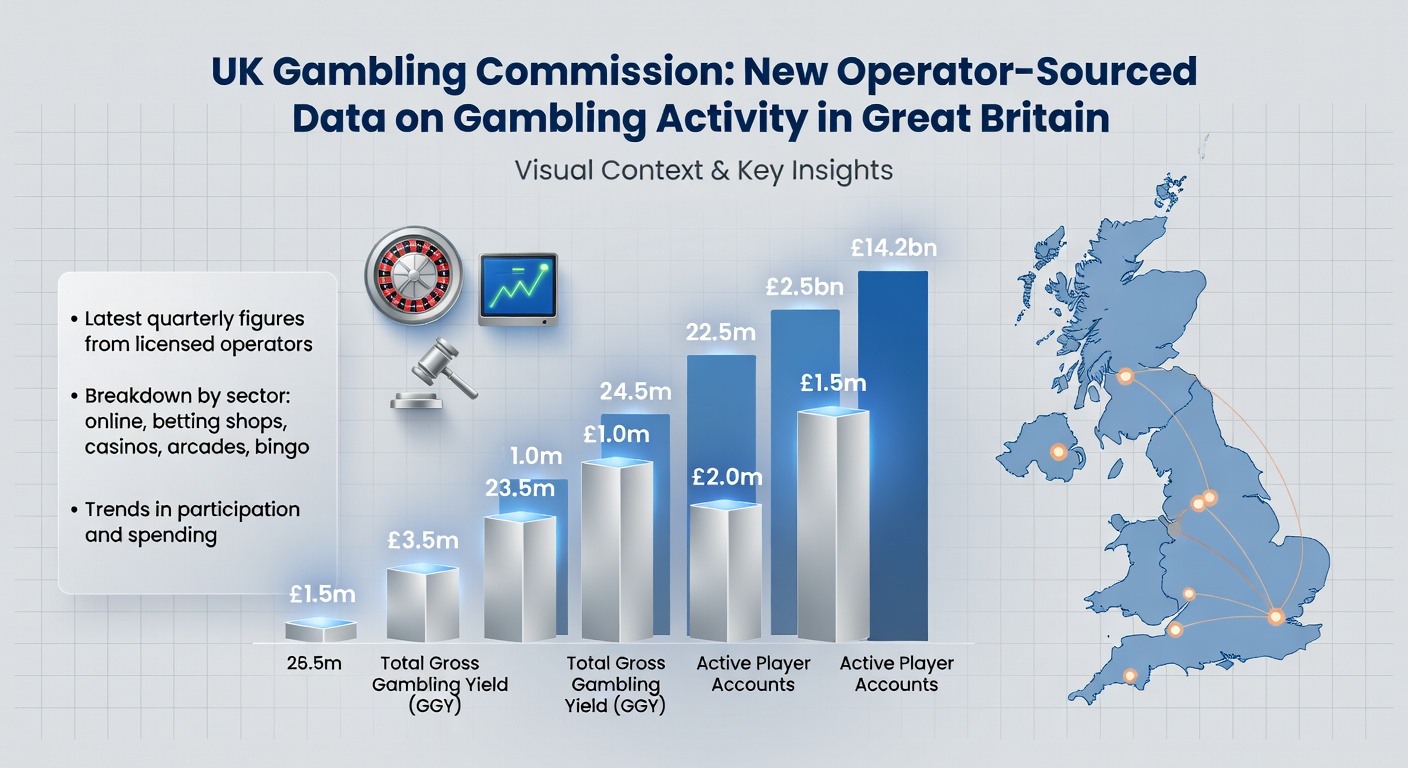
Spotlight on Non-Remote Betting and Physical Venues
Non-remote betting GGY reached £592 million, grabbing 48.2% of the non-remote pie, and that's no small slice when you consider the 5,782 betting shops spread across Great Britain, from bustling London strips to quieter towns where they're community fixtures. These venues, licensed and monitored, host everything from horse racing slips to in-play football wagers, and data indicates they thrive on walk-ins who prefer the buzz of screens and chatter over solitary online clicks.
But here's the thing: those 190,965 gambling machines—spread across betting shops, casinos, bingo halls, and even adult gaming centers—add another layer, with yields feeding into the broader non-remote total; operators report usage patterns that peak around evenings and weekends, tying into social habits that online can't fully replicate. Seasonal trends amplify this, as Q2's warmer weather pulls some punters outdoors or to tracks, yet shops hold ground through promotions adn loyalty schemes.
People who've studied the sector observe how shop counts stabilize around this 5,700-6,000 mark quarter after quarter, reflecting a balance between closures in oversaturated areas and new licenses where demand persists; take one case from recent years where regional data showed northern England shops outperforming southern ones during summer festivals, a pattern these Q2 figures echo indirectly through steady GGY.
Remote Sectors Surge with £2.0 Billion in GGY
Remote activities—casino games online, sports betting apps, bingo sites—posted £2.0 billion in combined GGY, dwarfing non-remote in scale and signaling the digital shift that's reshaped the industry; players access these from mobiles more than ever, with data from licensed operators showing spikes during commutes or late nights. Casino GGY within this likely drew from slots and tables, betting from events like tennis majors, and bingo from its loyal base chasing jackpots.
What's significant is how remote outpaces physical counterparts, a trend building since lockdowns accelerated app adoption, and Q2's numbers confirm it even amid seasonal lulls; football's pre-season hype and Olympic-tied wagers (though not directly measured here) probably nudged figures up, while operators' compliance with affordability checks keeps growth in check. Figures reveal this £2.0 billion as a powerhouse, supporting tech investments and marketing that target younger demographics comfortable with digital wallets.
And yet, as the year heads to March 2026, regulators watch closely, with these stats feeding into broader reviews of remote operator duties; one study from prior quarters found remote GGY growing 10-15% year-on-year, a trajectory Q2 sustains without the explosive jumps of pandemic times.
Seasonal Trends and Ongoing Performance Insights
Q2 data uncovers seasonal trends clear as day, with GGY softening from Q1's vigor—horse racing springs eternal, after all—but holding firm against Q3's holiday ramps; licensed operators' reports show summer as a testing ground, where non-sports bets like virtuals or esports fill gaps left by lighter calendars. The £4.3 billion total, lotteries included, reflects this balance, as draws maintain steady play regardless of weather.
Observers note how 5,782 shops and 190,965 machines weather these cycles better than expected, their GGY portions—£592 million for betting shops chief among them—proving brick-and-mortar's stickiness; remote's £2.0 billion, though, steals the show, growing as broadband blankets the land and 5G sharpens live streams. Data indicates no wild swings, just the measured pulse of a mature market under scrutiny.
Take the financial year's arc to March 2026: Q2 slots in as a midpoint marker, with prior patterns suggesting Q4's festive boom could lift totals past £17 billion annually if trends hold; these figures, factual and unvarnished, arm stakeholders from policymakers to operators with the intel to navigate ahead.
Conclusion
In wrapping up Q2's numbers, the UK Gambling Commission's industry statistics report lays bare a £4.3 billion GGY including lotteries—or £3.2 billion sans—fueled by £2.0 billion remote power and £592 million non-remote betting that claims 48.2% of its category, all amid 5,782 shops and 190,965 machines. Seasonal trends shine through, performance stays solid from licensed sources, and as March 202