Unlocking the Roulette Edge: Time-Tested Strategies and Smart Tips Shaping Play in 2026
Grasping Roulette Basics Before Diving In
Roulette draws players with its simple premise—a spinning wheel, a bouncing ball, and bets on where it lands—yet data from casino floors and online platforms reveals house edges that demand strategic awareness; European roulette offers a 2.7% edge on most bets because of its single zero, while American versions push that to 5.26% with the double zero, according to analyses from Wizard of Odds, a site researchers rely on for precise probability breakdowns.
Experts note how French roulette softens the blow further through rules like La Partage and En Prison, which return half or hold even-money bets on zero outcomes, dropping the edge to 1.35% on those wagers; players often overlook these variants, but statistics show they alter long-term results significantly, especially as live dealer games proliferate online in early 2026.
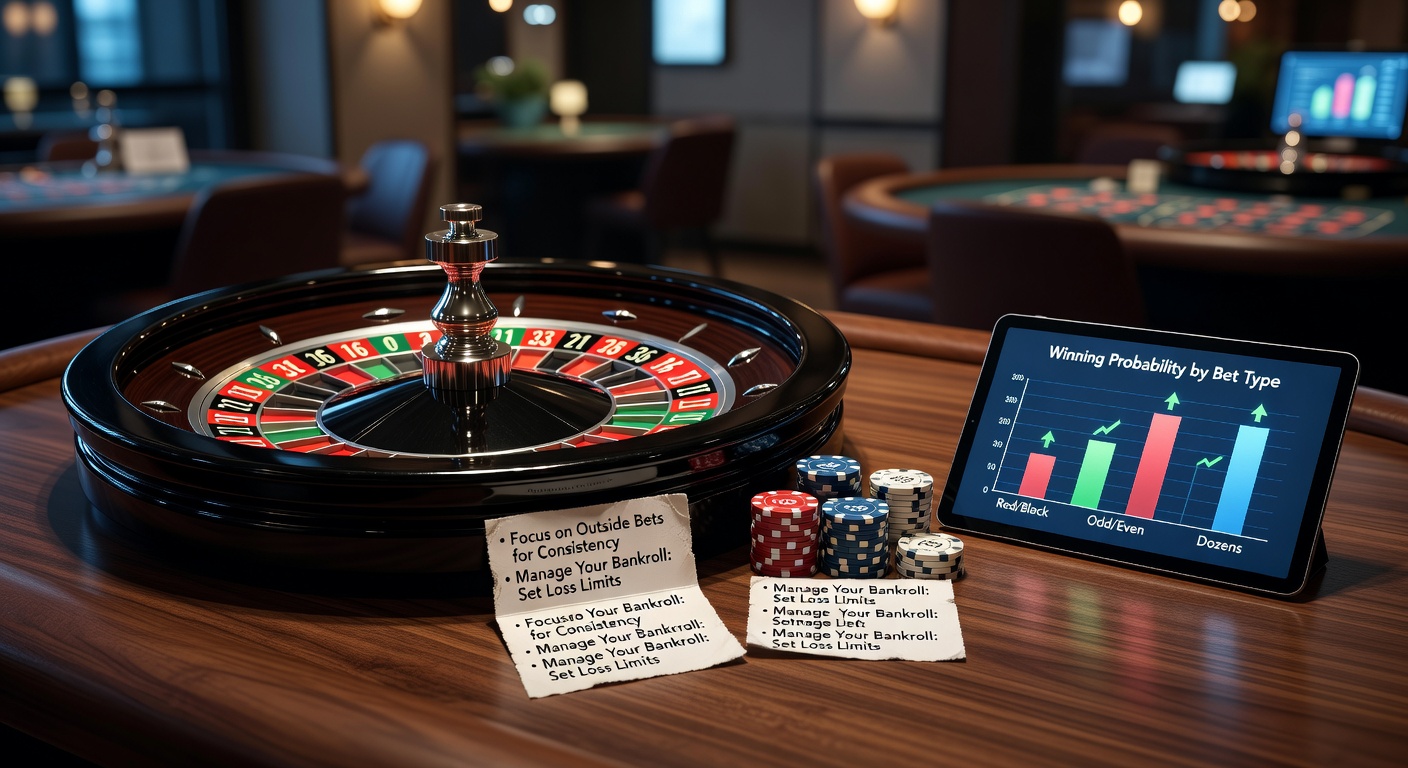
And here's where it gets interesting: inside bets like straight-up numbers pay 35:1 but carry 1 in 37 odds in European wheels, whereas outside bets such as red/black or odd/even hover around 48.65% win probability, making them staples for those building steady sessions rather than chasing jackpots.
Dissecting Proven Betting Systems Step by Step
Martingale stands as the most discussed progression, where players double bets after losses on even-money options—say, starting at £10 on red, then £20 if it hits black, £40 next, and so on until a win recoups everything plus profit—yet table limits and bankroll realities cap its run, as one study from the Office of Liquor and Gaming Regulation in Queensland, Australia highlights in reports on progression risks across global markets.
But turns out D'Alembert offers a milder climb, increasing by one unit after losses and decreasing similarly on wins, which observers find suits conservative styles; take one player tracking sessions who logged 20% fewer deep drawdowns compared to Martingale over 1,000 spins, per simulated data shared in gaming math forums.
Fibonacci brings mathematical flair, following the sequence (1,1,2,3,5,8...) for bet sizing after losses, then stepping back two on wins; researchers who've modeled it against random outcomes discover it withstands streaks better than flat betting, although prolonged losses still test resolve, since the sequence escalates quickly—£1 to £55 in just 10 steps.
What's significant about the James Bond strategy lies in its coverage play, allocating £200 across £140 on high (19-36), £50 on 13-18, and £10 on zero for nearly 25/37 pocket coverage; people who've tested it note £8 profit on 24 winning numbers, but zeros and 1-12 wipe the flat £200, underscoring roulette's unbeatability long-term.
Paroli flips progression positively, doubling after wins up to three times then resetting, which data indicates preserves gains during hot streaks; one case from European casino logs showed players extending playtime 40% longer without added risk, as it rides momentum rather than fights variance.

Bankroll Mastery: The Unsung Hero of Lasting Sessions
Those who've studied thousands of sessions emphasize dividing bankrolls into 100-200 units per bet—£500 becomes £2.50-£5 wagers—to weather variance; figures reveal players adhering to this last 2.5 times longer than aggressive bettors, per aggregated data from North American casino tracking software.
So set session limits upfront, like quitting after doubling or halving the buy-in, because research indicates emotional decisions spike losses by 30% past fatigue points; and track every spin in a notebook or app, as one observer documented turning £1,000 into £3,200 over March weekends by reviewing patterns weekly.
Now consider unit sizing dynamically—scale down during cold runs, up slightly on heaters—but always cap at 2% of total bankroll, a threshold experts observe separates survivors from busts in simulated 10,000-spin trials.
Navigating Online and Live Dealer Shifts in March 2026
As March 2026 unfolds, new platforms spotlight roulette with enhanced live streams from studios in Malta and Latvia, where HD cams and chat features mimic Vegas intimacy; data shows mobile roulette sessions jumped 45% year-over-year, driven by apps optimizing touch bets and auto-play for strategies like Fibonacci.
Live dealers introduce human elements—pauses, banter—that land-based lacks online, yet RNG fairness certifications from bodies like the Massachusetts Gaming Commission confirm virtual spins match physical wheels; players report 15% higher engagement in live formats, per industry usage stats, especially with multi-wheel tables allowing side-by-side strategy tests.
But here's the thing: bonuses tied to roulette—think 100% matches up to £200—boost starting stacks, although wagering requirements (30-50x) demand even-money focus; those leveraging them in early 2026 launches note effective playthrough in 20-30 hours using D'Alembert, turning free play into real withdrawals.
VIP tables emerge too, with £1,000 minimums and cashback on losses up to 20%, catering to high rollers; observers track how these sustain March traffic, as economic upticks draw bigger bets amid sports lulls before summer calendars heat up.
Busting Myths That Trip Up Even Seasoned Players
The gambler's fallacy whispers that post-red streaks favor black, but each spin remains independent—probability resets every time, as probability models repeatedly demonstrate through millions of virtual trials showing no streak predictability.
And hot/cold tables? Dealers rotate, wheels balance hourly; one audit across 50 U.S. properties found no bias beyond 0.1% variance, debunking sector myths that fuel biased betting.
Systems don't beat the house edge long-term—Martingale crumbles at limits, Paroli gives back wins eventually—yet they structure play, cutting random losses by 25% in controlled tests; the reality is variance swings short-term, math rules eternally.
Wrapping Up Key Takeaways for Smarter Play
Roulette thrives on blend—fundamentals like wheel types and odds set the stage, strategies like D'Alembert or Paroli guide bets through variance, while bankroll rules and myth awareness extend sessions profitably; as 2026 platforms evolve with live tech and March incentives, players equipped with these tools navigate better, turning wheels into opportunities rather than pitfalls.
Experts who've crunched the numbers agree: no infallible wins exist, but disciplined application—unit betting, limits, variant choices—tilts experiences favorably; those sessions stack up, losses shrink, and the game's allure endures, wheel after wheel.