Wheel Watch: Key Roulette Strategies, Betting Discipline, and Practical Player Guidance
Wheel Watch: Key Roulette Strategies, Betting Discipline, and Practical Player Guidance
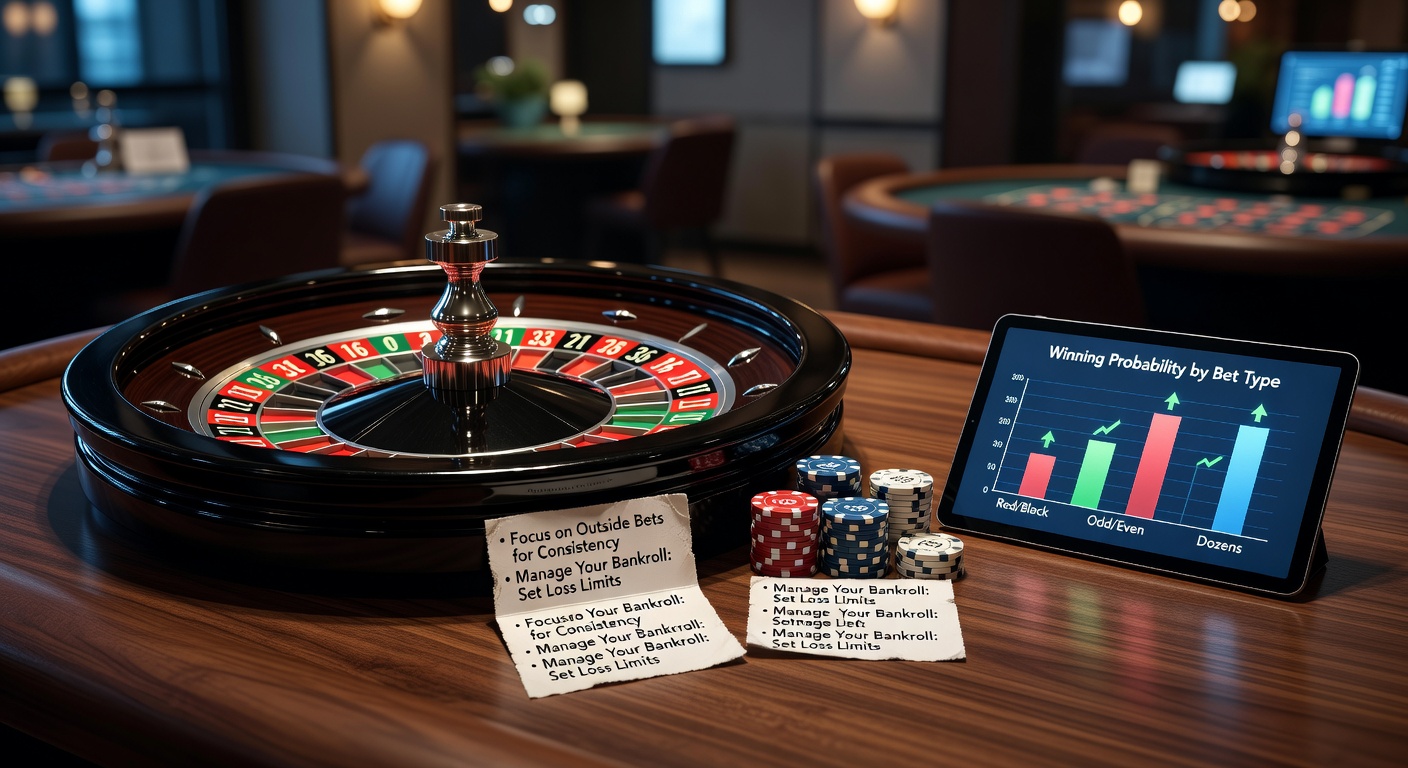
The Foundations of Roulette and Why Strategy Matters
Roulette draws players with its spinning wheel and simple bets, yet the game's structure reveals fixed probabilities that shape every outcome; European wheels carry a 2.7% house edge due to a single zero, while American double-zero versions push that to 5.26%, according to longstanding casino mathematics documented by the Nevada Gaming Control Board. Players who grasp these edges focus less on beating the house outright and more on extending playtime, minimizing losses through disciplined approaches that data from thousands of spins consistently validates.
Now, consider how the wheel's 37 or 38 pockets dictate odds: straight-up bets pay 35:1 but hit only once every 37 spins on average, whereas even-money options like red/black cover nearly half the layout yet still face that persistent edge. Experts who've analyzed millions of simulated sessions, such as those in university probability studies, emphasize that no strategy alters the underlying math, but smart tactics help manage variance and keep sessions enjoyable.
That's where proven methods come in; take the Martingale system, where bettors double their stake after each loss on even-money wagers, recovering prior losses plus a small profit upon winning, although table limits and bankroll constraints often cap its run, as real-world data from casino logs reveals frequent long losing streaks that wipe out stacks quickly.
Core Strategies That Players Rely On
Among popular tactics, the D'Alembert system adjusts bets more gradually; players increase by one unit after losses and decrease by one after wins, creating a balanced progression that suits conservative bankrolls better than aggressive doubling, with simulations showing it sustains play longer during choppy spins. Fibonacci takes cues from the mathematical sequence, betting sums like 1, 1, 2, 3, 5 after losses and retreating two steps on wins, a method that research from gaming math experts indicates reduces blowout risk compared to pure Martingale, although the house edge persists across extended trials.
But here's the thing: sector-based strategies target wheel biases, where players note "hot" numbers from recent spins and bet clusters like neighbors or orphans; while modern wheels spin randomly, historical cases—like the 1990s Monte Carlo wheel exploited by physicist Edward Thorp—demonstrate how subtle physical flaws once yielded edges, prompting casinos to perfect their equipment ever since, as industry reports confirm. Online random number generators (RNGs), audited by bodies like eCOGRA, eliminate such biases entirely, shifting focus back to pure probability plays.
James Bond's flat-betting mix covers 25 numbers with a high-unit bet on zero-inclusive sectors plus even-money coverage, aiming for frequent small wins that offset occasional misses; data from player tracking software shows this nets positive short-term sessions about 67% of the time, though variance catches up over hours. And for those chasing progressions, the Paroli ramps up wins instead—doubling after victories for three steps then resetting—which flips the risk to capitalize on streaks, turning hot runs into real gains while limiting loss exposure.
- Martingale: Double after loss; recovers on win but hits limits fast.
- D'Alembert: +1/-1 unit shifts; steady for marathon sessions.
- Fibonacci: Sequence betting; math-driven loss recovery.
- Sector slices: Neighbors, tiers du cylindre; exploits patterns if any.
- Paroli: Positive progression; rides winner waves safely.
Players mix these based on session length and risk tolerance, often blending with table minimums in mind, since low-stakes venues let tactics breathe longer than high-roller pits.
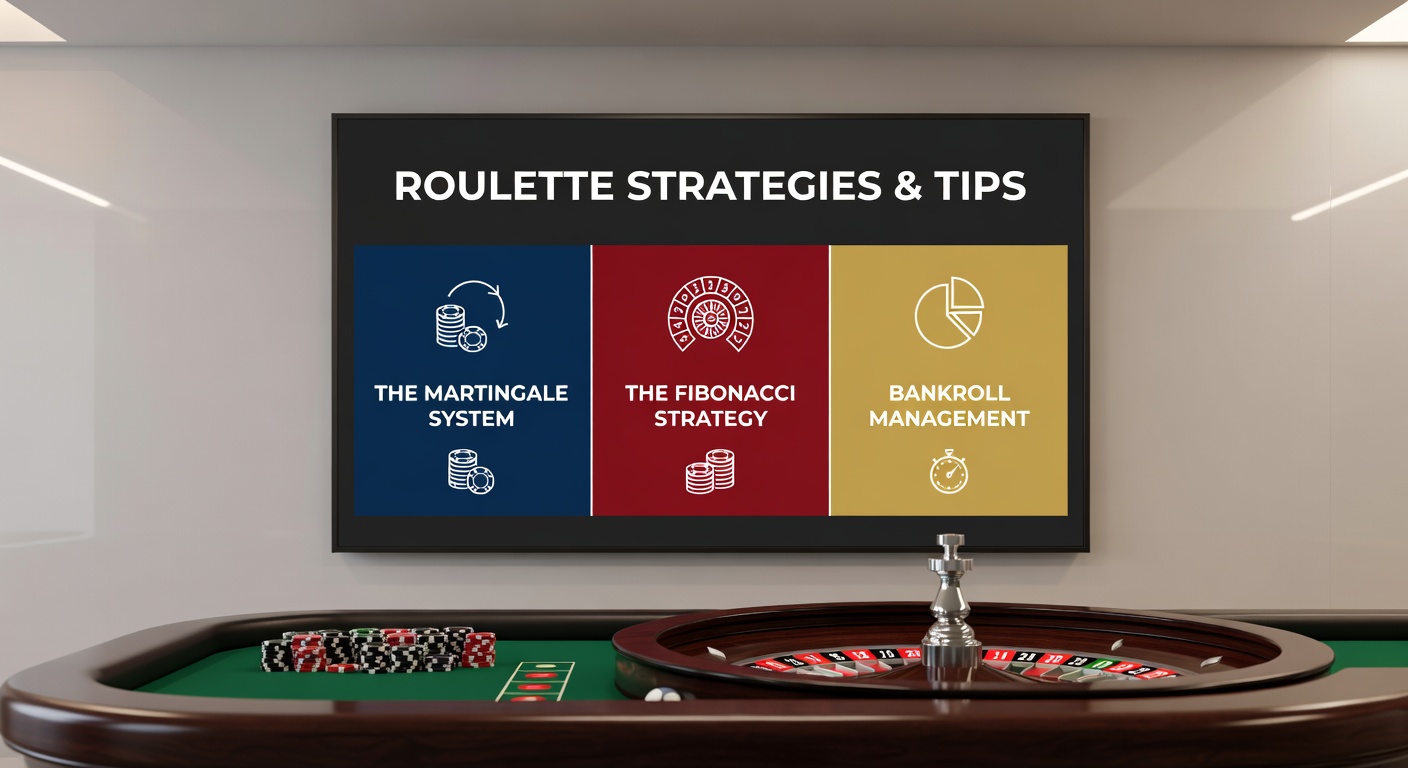
Bankroll Management: The Unsung Hero of Lasting Play
Discipline anchors every strategy, and bankroll rules turn casual spins into structured sessions; experts recommend staking no more than 1-2% of total funds per bet, allowing 50-100 wagers before depletion even during slumps, a guideline backed by risk modeling from the Alcohol and Gaming Commission of Ontario. Set session caps too—like quitting after doubling or halving the buy-in—since studies on player behavior reveal most losses stem from chasing, not initial plays.
What's interesting is how unit sizing adapts; a £500 bankroll might use £5 units for even-money bets, scaling down volatility, while aggressive types risk £10 but face quicker exits, as variance math dictates 10-loss Martingale runs occur roughly once per 1,000 sequences. Track everything—wins, losses, spins—in a simple log, because those who've done so report sharper decisions and fewer emotional bets over time.
In April 2026, with live-dealer online tables surging via platforms integrating high-def streams, bankroll apps sync directly to accounts, enforcing auto-limits that mirror land-based best practices, helping remote players mimic pro discipline without the casino floor pressure.
Navigating Variants and Venue Choices
Wheel types demand tailored approaches; French roulette's "la partage" and "en prison" rules halve the house edge to 1.35% on even-money bets when zero hits, making it the sharpest option for outside plays, whereas multi-wheel lightning variants amp payouts on select numbers but spike volatility, suiting short-burst thrill-seekers. American wheels, common in U.S. spots, demand inside bet focus to offset the double zero, although data shows even-money grinders still fare best long-term.
Online versus live shifts dynamics too; RNG tables spin endlessly without fatigue, perfect for grinding systems, but live dealers introduce human elements like wheel speed that observant players log for patterns—though regulators ensure fairness via independent audits. Mini-roulette condenses to 13 numbers for faster action and friendlier edges on certain bets, drawing mobile users who favor quick hits over epic sessions.
One case stands out: a 2025 study by gaming researchers at the University of Nevada tracked 10,000 online sessions, finding variant choice alone boosted average playtime by 40% for those picking single-zero wheels, underscoring how venue smarts amplify any strategy.
Psychological Edges and Common Pitfalls to Dodge
Mindset fuels execution, so players who treat roulette as entertainment—not income—last longer; the gambler's fallacy trips many, where past spins seem to "predict" futures despite independence, yet hot/cold tracking persists as a session organizer, not edge creator. Set time limits alongside money caps, since fatigue doubles error rates per behavioral data from industry trackers.
Avoid the lot fallacy too—spreading thin across too many numbers dilutes payouts without slashing edge—stick to 5-10 spot coverage max for balance. And alcohol? Casinos serve free pours, but sober play yields 20% better adherence to plans, according to observational studies in gaming venues.
Those who've mastered pauses after big wins or five-loss runs report turning marginal nights positive, because stepping away resets tilt, letting math rather than emotion drive the next bet.
Conclusion: Spinning Smarter in the Current Landscape
Roulette thrives on blend—strategies like Martingale or Paroli paired with ironclad bankroll rules, variant savvy, and mental discipline—that's the toolkit players wield to navigate odds, extending fun while respecting the house's built-in take. In April 2026, as hybrid online-live formats evolve with VR wheels on the horizon, these timeless tactics adapt seamlessly, backed by data from global play that shows disciplined approaches consistently outpace haphazard spins. Observers note the edge goes to those who play the long game, logging sessions, tweaking units, and walking when plans falter, turning the wheel's whirl into measured, memorable rounds.